Anyone training for the Marathon Groningen on May 31 will quickly think of schedules, mileage, and pace. But if you really want to achieve a strong time, or simply keep running comfortably, you can’t ignore nutrition. “You can have a perfect training schedule, but without the right nutrition, optimal performance remains out of reach,” says Esther van der Zwaan, sports dietitian and lecturer in Nutrition & Dietetics at Hanze.
Van der Zwaan knows what she’s talking about. As a specialist in (sports) nutrition and eating behavior, she sees every day how big the impact of nutrition is—even for recreational runners. “This doesn’t just apply to elite athletes. Anyone running longer distances will deal with this.”
To understand why nutrition is so important, it helps to look at the basics. “We have three key macronutrients: carbohydrates, proteins, and fats,” Van der Zwaan explains. “Proteins mainly act as building blocks—important for recovery and muscle development. But when it comes to performance, carbohydrates are the key.”
Carbohydrates are the main fuel during intense exercise—and that’s where the challenge lies. “Your body only has a limited supply of carbohydrates,” she says. “In well-trained athletes, that supply is depleted after about an hour and a half. After that, you simply can’t maintain the same intensity.”
Or, as many runners know it: hitting the wall. “That moment when you suddenly have no energy left often happens because your carbohydrate tank is empty,” Van der Zwaan explains. “And that applies just as much to recreational runners.”
For those preparing for the Marathon Groningen—or the half marathon or 10 km on May 31—timing is crucial. “Don’t just look at distance, but especially at duration,” Van der Zwaan advises. “If you’re running longer than an hour, you really need to start thinking about nutrition during your run.”
An important detail: don’t wait until it’s too late. “You want to prevent that tank from running empty. So start eating within the first half hour.” What you eat differs from person to person. “Running makes eating more difficult because everything is moving. That’s why my main tip is: practice this during your training.”
From gels to bananas, from dates to a simple muesli bar—it can all work. “As long as it contains carbohydrates and works for you.”
In addition to nutrition, hydration is essential. “Especially over longer distances, dehydration plays a major role in performance loss,” Van der Zwaan says. “Even a small percentage of fluid loss can already have an effect.”
However, drinking only water is not always the best option. “Your body absorbs fluids better when they also contain sugars and salts,” she explains. “That’s why isotonic drinks work best.”
This doesn’t have to be complicated or expensive. “You can make it yourself: a bit of lemonade syrup, water, and a pinch of salt will already get you a long way.”
What you do after running is just as important as what you do during it. “Training is essentially about breaking your muscles down a bit,” says Van der Zwaan. “After that, you want them to come back stronger. That process is called supercompensation.”
Without proper recovery, progress stalls. “If you don’t eat enough after a workout, your recovery suffers and you risk overload or fatigue.”
Fortunately, the solution is simple. “Make sure you get a combination of carbohydrates and proteins after your exercise. This can be a full meal, but also something small like yogurt with muesli and fruit, or a sandwich with toppings.”
And that tempting post-run drink? “Hold off for a bit,” she advises. “Recovery first, then maybe a beer.”
For many runners, the biggest gains don’t come from expensive supplements or complicated plans, but from the basics. “Don’t skip meals and eat a varied diet,” Van der Zwaan says. “Think vegetables, fruit, and whole grains. Basically: just eat normally.”
It sounds simple, but in practice, this is often where things go wrong. “The most common mistake is that people don’t eat enough—especially when they start training more.” Signs like fatigue, poor recovery, or “heavy legs” can point to this. “The first step is often simply: eat a bit more.”
Van der Zwaan concludes with three concrete pieces of advice for anyone training for the Marathon Groningen:
Train your nutrition as well
“Practice what you eat and drink during your training. You don’t want surprises on race day.”
Eat on time during your run
“Start after half an hour and aim for about two snacks per hour during longer distances.”
Build a strong foundation
“Three solid meals a day and enough carbohydrates make the difference.”
And perhaps the most important tip: don’t keep struggling with nutrition questions or concerns on your own. “If you notice that nutrition causes a lot of stress or you’re unsure what’s right, seek help,” says Van der Zwaan. “A sports dietitian can easily take a look with you.”
This article is the final part of a short series by Campus Groningen about preparing for the Marathon Groningen powered by Campus Groningen on May 31, 2026. In this series, we share tips, stories, and insights from runners, trainers, and experts on both the physical and mental aspects of running, so participants can start well-prepared and confident. Read more:
The article on mental preparation for a marathon
The article on the purpose of the marathon’s fundraising
The article about the ACLO running clinics: Join the Ride
The article on the social and economic impact of the marathon
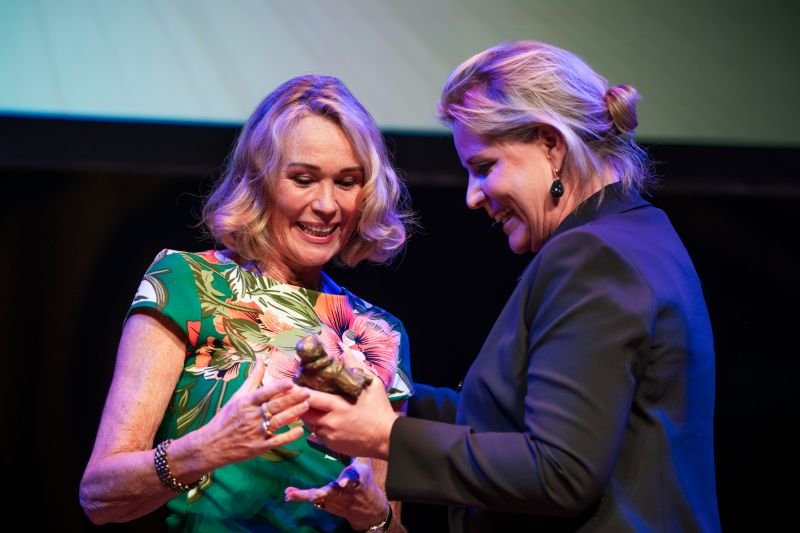
Iris Sommer will receive the 2026 NWO Stevin Prize, the highest honour for researchers in the Netherlands who have achieved exceptional results in translating knowledge into societal impact. Sommer will receive €1.5 million, to be spent on scientific research and initiatives relating to knowledge utilization. Sommer is a professor of Psychiatry at the UMCG and the UG.
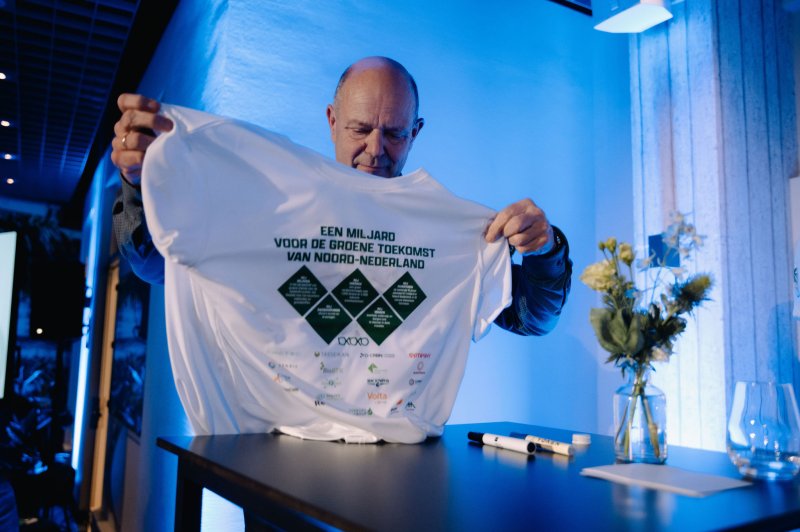
Mooi nieuws: 10x10x10 is genomineerd voor de Duurzame Dertig 2026, een initiatief van Dagblad van het Noorden, Leeuwarder Courant en Friesch Dagblad. Het project is geselecteerd in de categorie Duurzame samenwerking.

Engineero vestigt zich op Campus Groningen.