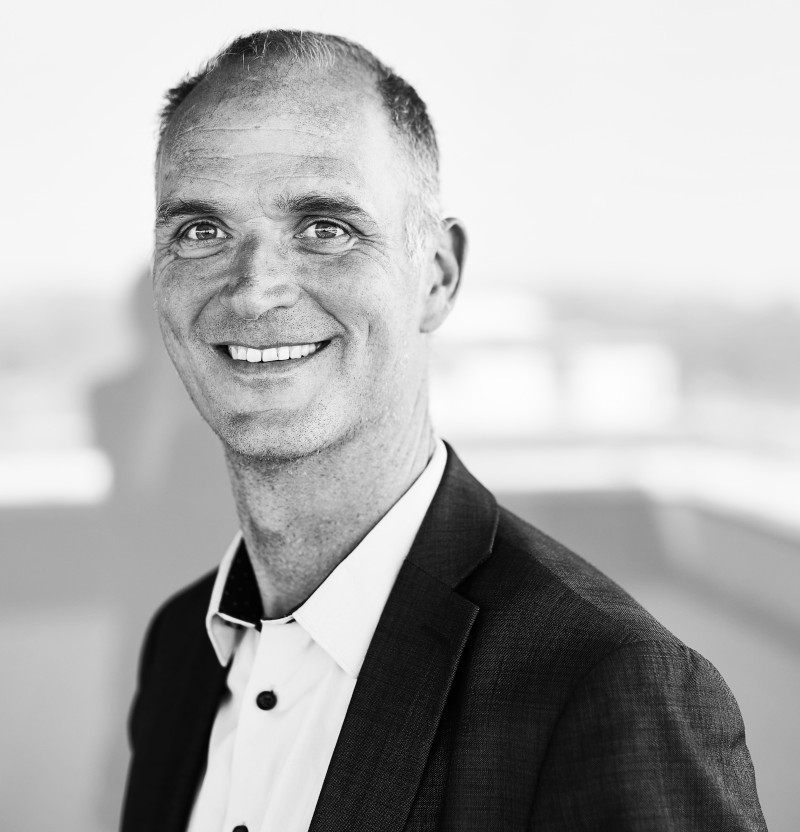
The Groningen Marathon powered by Campus Groningen on May 31, 2026, is just around the corner. For many participants, it’s not only about covering the kilometers but also about being mentally prepared. Professor of Sport Psychology Nico van Yperen from the University of Groningen shares his insights on how runners can train the mental side of a marathon.
"The mental and physical are inseparably connected," says Van Yperen. "So if you start training today without any experience, you won’t be able to run the 42 kilometers on May 31. That’s neither realistic nor healthy for your body. But you can start today by building the mindset for a future edition." This mental development, building confidence, motivation, and resilience, is central to his approach to marathon training.
According to Van Yperen, everything starts with motivation: "It has to come from within. Not because someone else tells you to run, but because you enjoy it yourself. It’s about enjoying the training, not just the moment you cross the finish line." In psychological terms, this is autonomous motivation: choosing your own goal increases your chances of persevering. This might involve personal growth, a healthy lifestyle, or developing persistence.
Mental strength is closely linked to physical preparation. "When you notice that your body can handle what you ask of it, your self-confidence—or self-efficacy—also grows," explains Van Yperen. "That feeling of: I can do this." By following structured training plans and gradually running longer distances, runners develop the confidence that they can complete a marathon. This self-efficacy is essential for overcoming tough moments during the race.
A marathon is mentally and physically demanding, and setbacks are inevitable. Van Yperen recommends using scenario thinking: "Think in advance about moments when it will get tough, like the well-known ‘walls’ you might hit. Practice during training how to handle them: walk if needed, and then continue." These mental simulations help you understand your emotional responses and thought processes, improving your ability to cope with frustration and pain.
For many runners, training in a group is motivating. "A running club or training group can keep you accountable. You feel responsible to others, and it provides social support. At the same time, it’s important to run at your own pace and not get frustrated by others’ progress." For beginners, this helps maintain enjoyment and notice improvement without undue pressure.
Van Yperen advises beginners to start slowly. Begin with short distances and gradually build up: "Run 2 to 3 kilometers, mix jogging with walking, and see how your body responds. The most important thing is to enjoy it. If it doesn’t suit you, stop or adjust your plan. Don’t force it, but give yourself the freedom to find what works for you."
Tracking progress can also help, through a journal or an app like Strava. "This provides insight and motivation, as long as it doesn’t lead to frustration from comparing yourself to others."
Don’t forget to practice nutrition and hydration during runs. Van Yperen advises: "During long runs, you need to learn how to drink and possibly eat. Practice what works for you so there are no surprises on race day."
With this mental and physical preparation, runners can approach the Groningen Marathon with confidence. "A marathon is special and impressive," concludes Van Yperen. "But enjoying the process and believing in yourself is just as important as finishing the race."
Will Van Yperen run one of the distances on May 31? Laughing: "No. I do run, but purely for support," he says. "My real passion lies in ball sports and golf. I mainly use running to stay fit and learn about my body." This shows that mental strength and enjoyment in movement are important for everyone, regardless of distance or speed: it’s about experiencing, learning, and challenging yourself in a way that suits you.
Those interested in learning more about mental strength and sport psychology can read Van Yperen’s recent book Winnen met je hoofd (Winning with Your Head), in which he and top athlete Marit Bouwmeester share practical insights and mental strategies for endurance athletes. He also shares his sport psychology insights on his SportScience blog
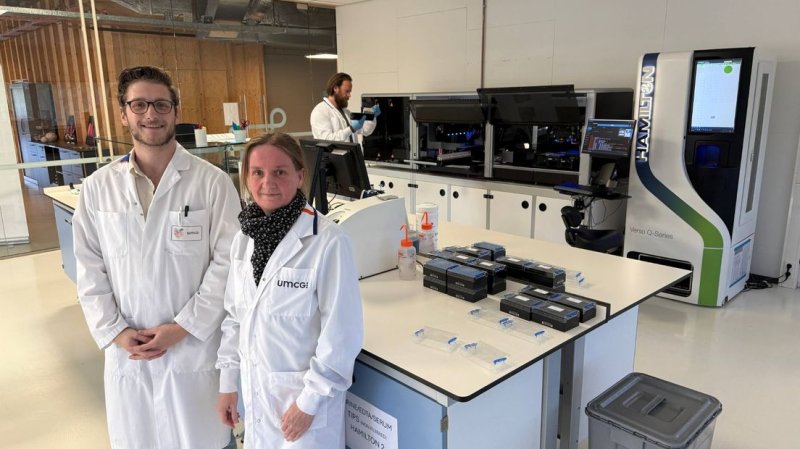
The large-scale Lifelines population study is inviting new participants for the first time in twenty years. The study is seeking around 16,000 relatives of existing participants. This expansion has been made possible by a grant from the National Programma Groningen (NPG).
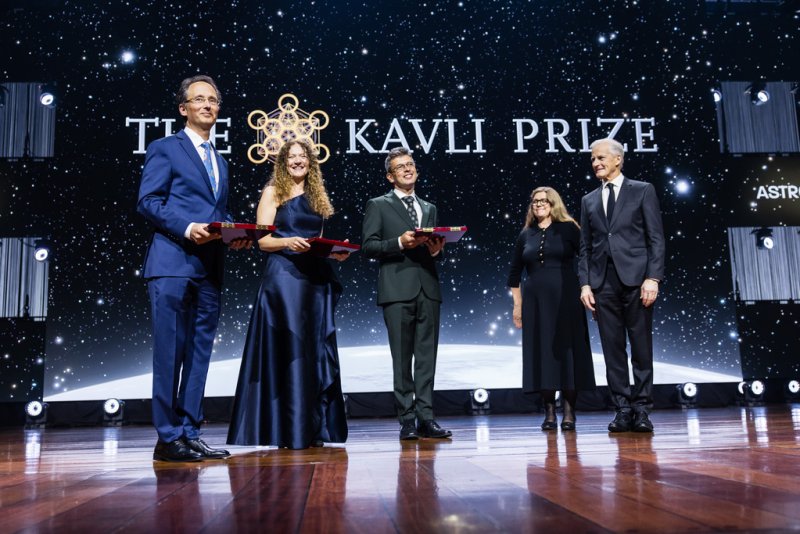
The 2026 Kavli Prize was awarded last week. Alongside the Nobel Prize, the Kavli Prize is regarded as one of the highest honours in science and is awarded every two years by the Norwegian Academy of Science and Letters.
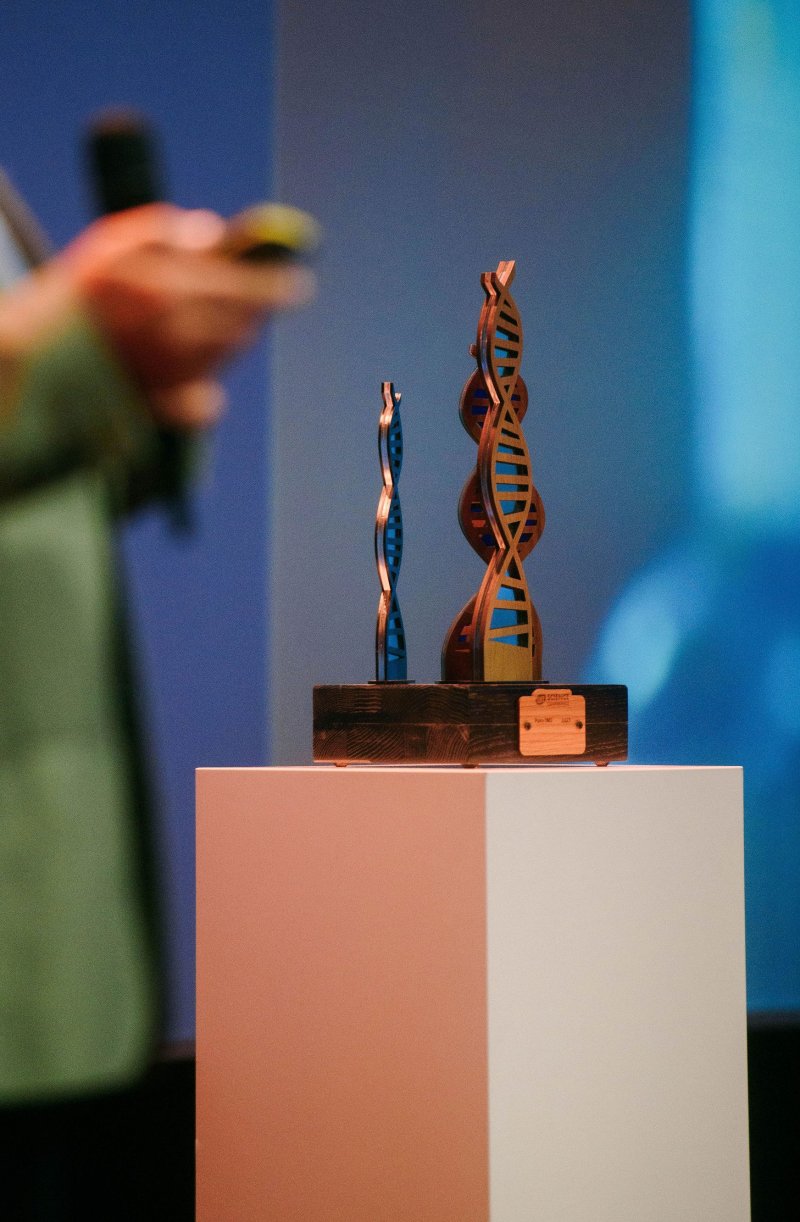
Who is developing the most impactful innovation in Life Sciences & Health in the Northern Netherlands? Five companies are in the running for the LIFE Science Innovation Award 2026: Flux Robotics, Limosa Immunodiagnostics, SPCTR, MimeCure and GlycanScan International. The nominees will present their innovations on Tuesday 22 September during the fifth edition of the LIFE Science Conference in Groningen. An independent jury will select the winner, who will receive a €10,000 cash prize.