The campus constantly sees new connections and establishes new links with the aim of realising the smart start to sustainable developments that have an impact on the regional economy. Based on entrepreneurship, with world-renowned research institutes and a strong and open culture of collaboration, the campus has a global impact.
Knowledge is the answer to the major challenges of our time and the most important driver of our economy. Science serves society. Leading institutes on campus conduct outstanding fundamental and applied research into socially relevant themes such as healthy ageing, energy and a sustainable society. Interaction with the (local) business community within these institutes and testing grounds is an important pillar. Below you will find a selection of the excellent institutes and testing grounds that Campus Groningen provides, all of which support and stem from our DNA.

The Aletta Jacobs School of Public Health (AJSPH) has ambitions to become a collaborative platform in Groningen, bringing together public and private stakeholders to answer innovative questions in order to create sustainable and affordable public health – nationally and globally.

The province, the University Medical Centre Groningen and a number of biotech companies are investing three million euros in a consortium focused on biomarkers: BBay. It offers a portal for the full range of biomarker assays, biomarker confirmation and test development, assay validation, clinical validation and bioanalysis of biomarkers.

BuildinG is the knowledge and innovation centre for construction and infrastructure in the northern Netherlands. With our testing ground and test hall, we put innovation into practice and make new knowledge directly applicable.

The CCC conducts demand-driven research into carbohydrates and works with companies and knowledge institutions to develop new applications for food, biomaterials and biochemicals.
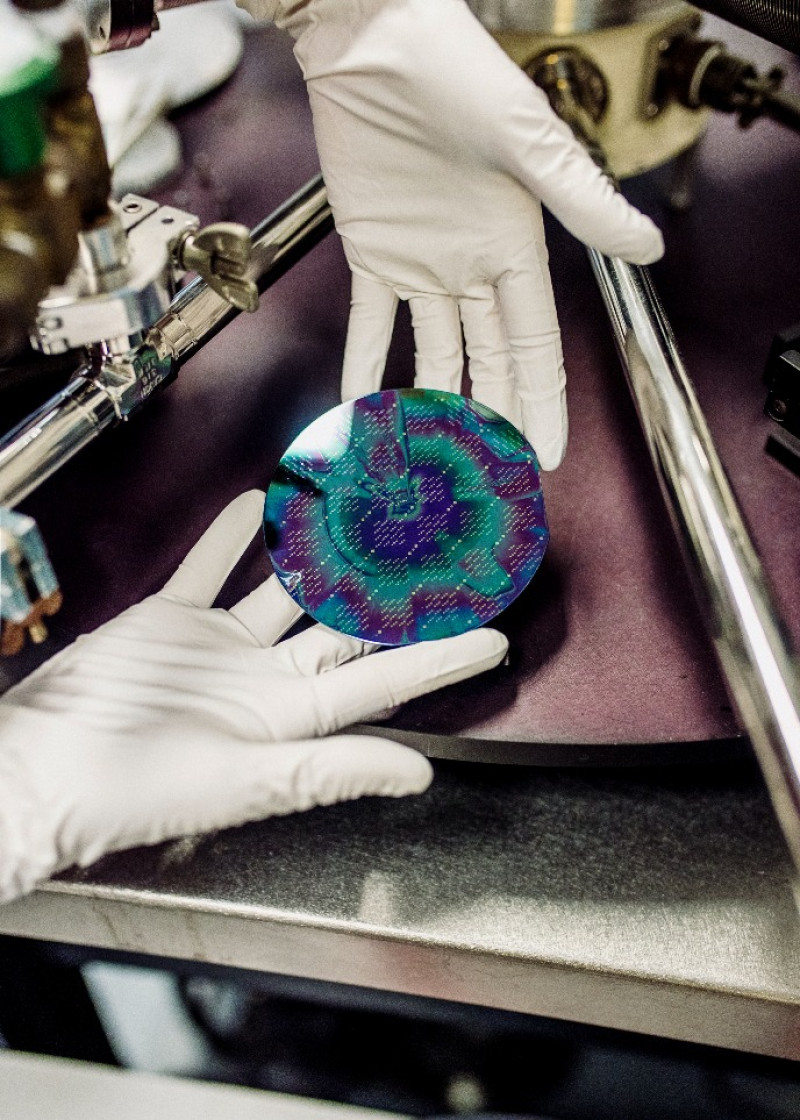
The mission of the Centre for Cognitive Systems and Materials at the University of Groningen is to develop a material-centred system paradigm for cognitive computing based on modelling and learning at all levels.
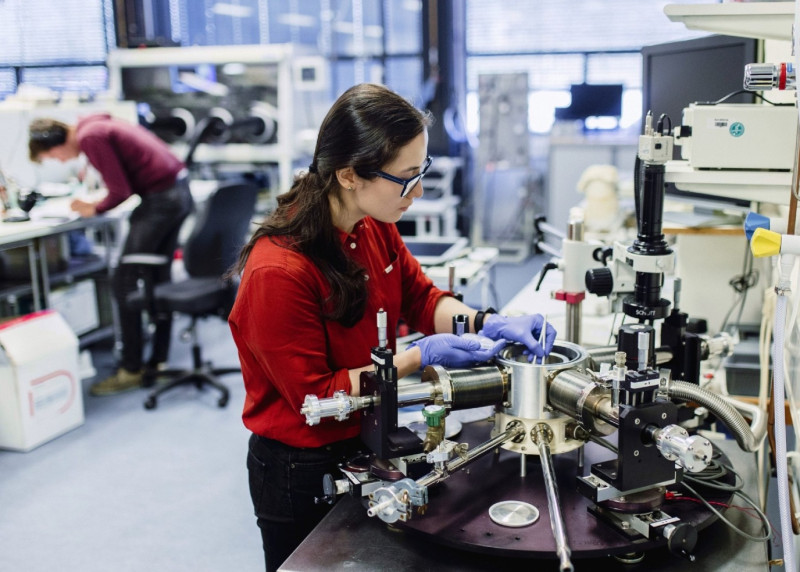
The Centre for Sustainable Antimicrobials (CeSAM) is a recognised national centre of expertise that focuses on combating antimicrobial resistance (AMR).
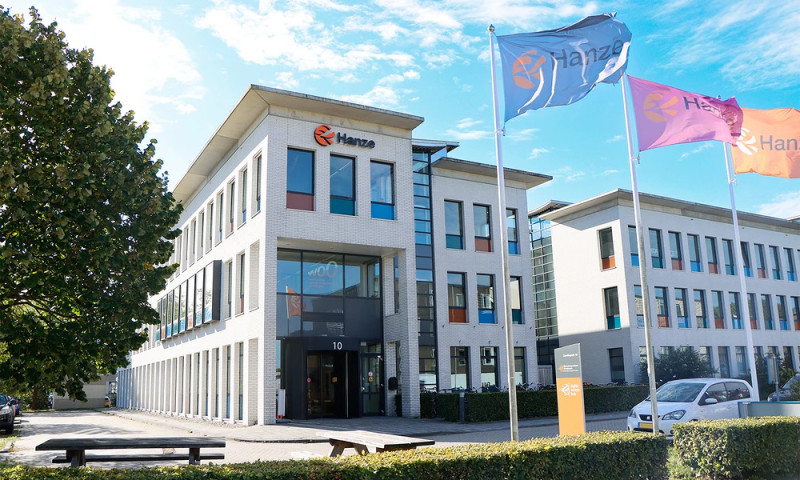
The Digital Society Hub is a learning community where students, businesses, government and researchers collaborate on digital innovations for current societal challenges.
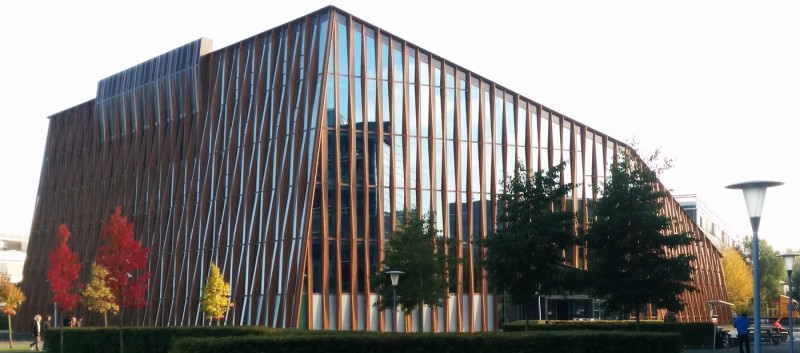
The Energy Academy Europe is a leading institute in Groningen where the University of Groningen and Hanze University of Applied Sciences collaborate on education, research and innovation in the field of energy, from gas and sustainable sources to smart grids, energy saving and CO₂ reduction.
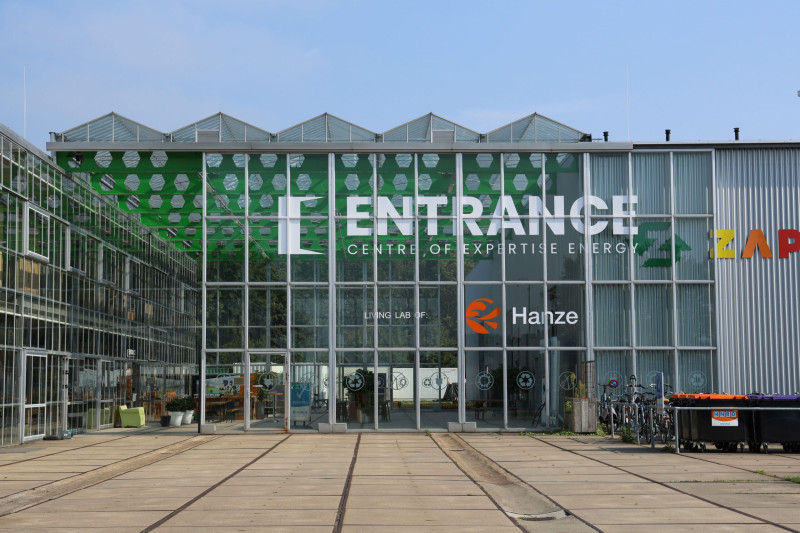
ENTRANCE (Energy Transition Centre) is the testing ground for applied research into energy and energy transition. The testing ground is located at Zernike Campus Groningen and is part of the Energy Academy Europe.
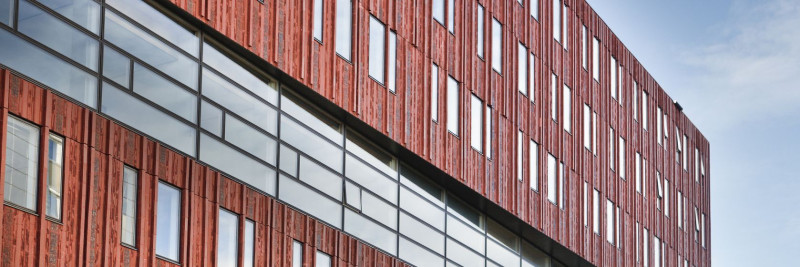
ERIBA is a research institute where leading scientists and their research groups conduct fundamental research into the ageing process and associated diseases.
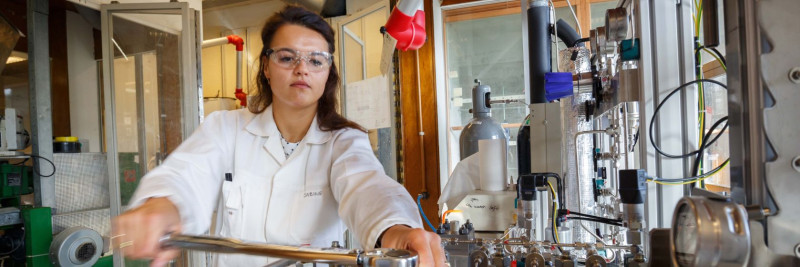
The Groningen Engineering Centre (GEC) is based in the Faculty of Mathematics and Natural Sciences at the University of Groningen and brings together all technical research conducted at the University of Groningen.
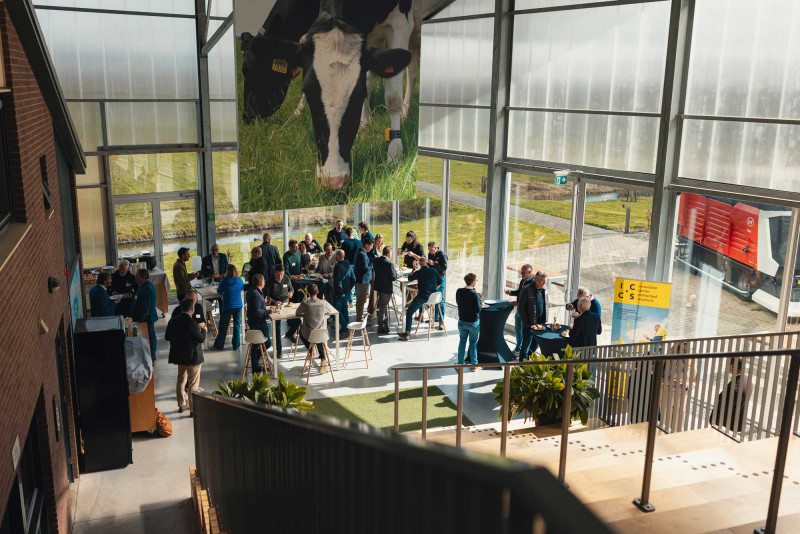
At ICCS, we offer expertise and support in the areas of connectivity, AI, and sensor technology. Our field lab provides a testing environment that focuses on collaboration, experimentation, and knowledge sharing.
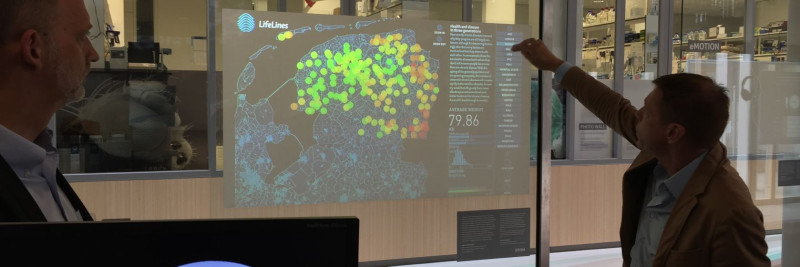
Lifelines collects health data and bodily samples on a large scale to enable scientific research into healthy ageing.
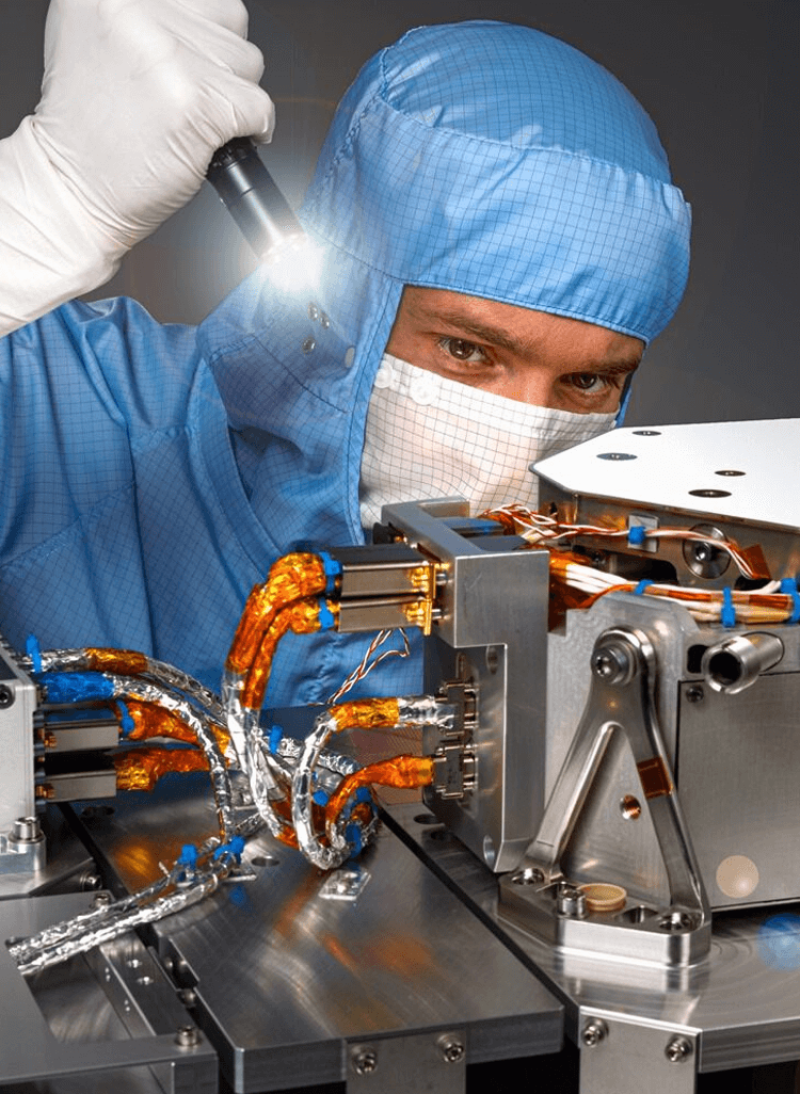
SRON is the national institute for space research in the Netherlands. SRON is located in the same building as the astronomy department of the University of Groningen: the Kapteyn Institute on Zernike Campus.
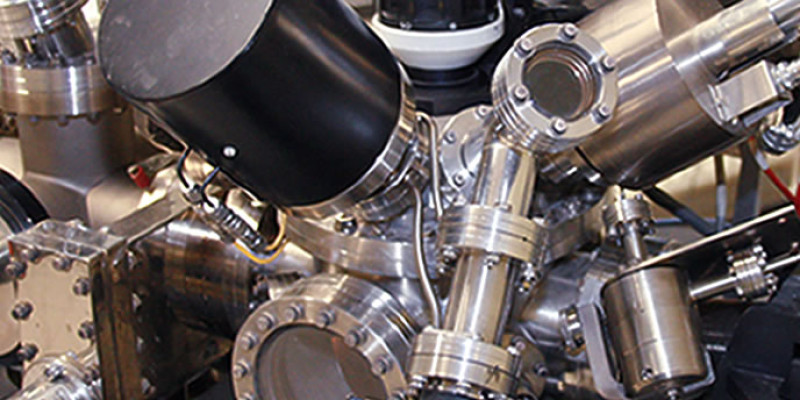
The W.J. Kolff Institute for Biomedical Engineering and Materials was founded on 8 October 1997. The institute is named after Willem Johan Kolff, who developed the first working artificial kidney as a medical assistant in Groningen in the 1940s.
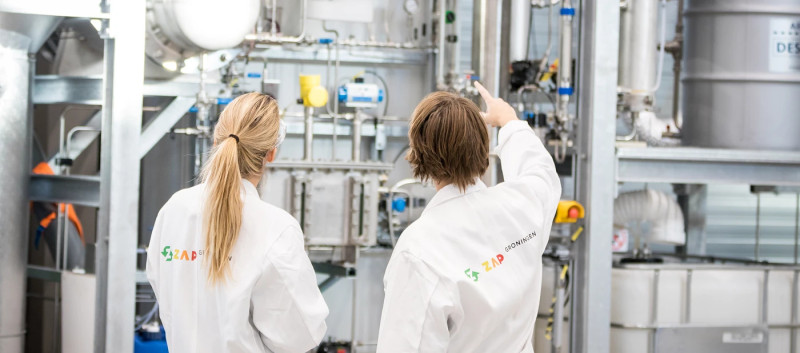
ZAP (Zernike Advanced Processing) is a testing environment for biobased innovations where companies and researchers develop new applications that reduce the use of fossil raw materials and stimulate regional employment.
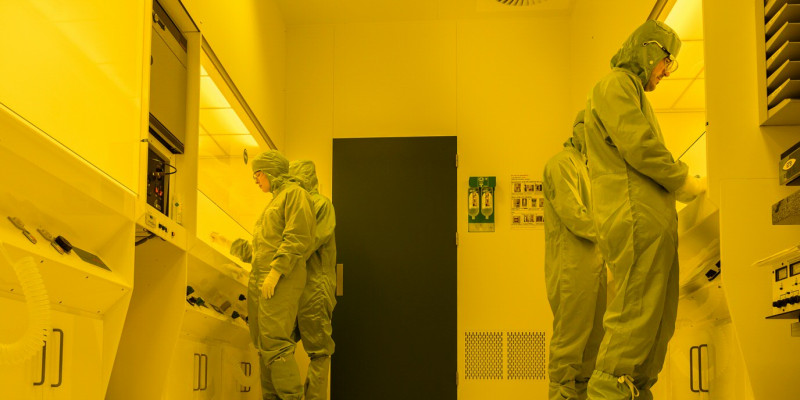
ZIAM is a recognised top research institute. It combines fundamental and applied research in the field of manufacturing, synthesis and characterisation of new materials.