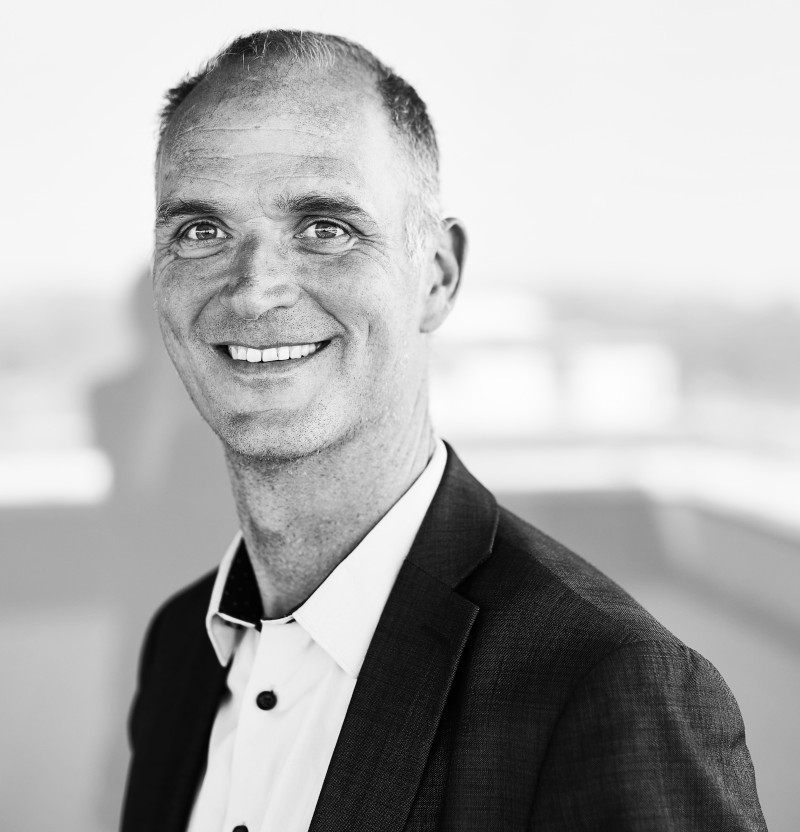
More than 200 professionals from the Life Sciences & Health sector came together on Tuesday, 22 September, for the fifth LIFE Science Conference at Forum Groningen. The central question was how Northern Netherlands can further build on its strong knowledge and innovation position and translate this into new business activity and economic impact.
The LIFE Cooperative, which organised the event, is an important partner within the Campus Groningen ecosystem. In the article below, the organisation looks back on the conference, including the keynote by former ASML CEO Peter Wennink, the presentation of the industry agenda covering five strategic themes, and the presentation of the LIFE Science Innovation Award to MimeCure.
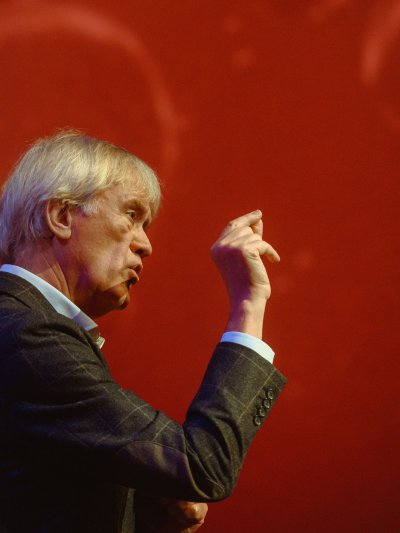
“You have everything you need here in Groningen. The challenge is to organise it, create a common goal and work together. If you have the courage to collaborate and stay the course, you can create value far beyond this region.” This message from former ASML CEO Peter Wennink was a key theme of the fifth edition of the LIFE Science Conference, held on Tuesday 22 September at Forum Groningen. With his keynote, Wennink also echoed the findings of his national advisory report The Route to Future Prosperity, in which he calls for strengthening the Netherlands’ capacity to generate economic value.
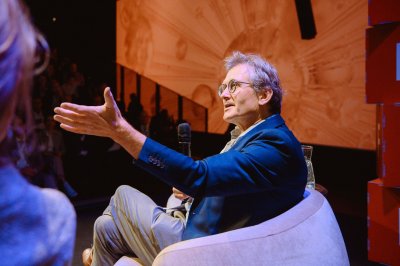
More than 200 professionals from the Life Sciences & Health sector came together to discuss what is needed to further translate Northern Netherlands’ strong position in knowledge and innovation into business activity, new value chains and economic growth. In addition to Wennink’s keynote and a panel discussion featuring Nobel Prize winner Ben Feringa, Stephanie Klein Nagelvoort-Schuit (UMCG) and Jakob Klompien (Economic Agenda of Nij Begun), the LIFE Cooperative presented its strategic industry agenda with five themes. The LIFE Science Innovation Award, worth €10,000, was also presented to winner MimeCure.
Head of Economic Affairs of the municipality of Groningen Saskia van Ham and Peter Ketelaar, chair of the LIFE Cooperative, opened the conference. In her welcome address, Bosma emphasised that innovation only creates societal and economic value when knowledge and technology find their way into practice. This requires close collaboration between science, entrepreneurship, government and healthcare, as well as the space to scale successful innovations.
That is why the LIFE Cooperative now works with a five-theme industry agenda: Enabling Health Tech, Polymers for Health, Diagnostics & Drug Development, Sustainable Pharma Production and Nuclear Medicine. The agenda provides direction for the development of the sector.
Under the Enabling Health Tech theme, for example, more than 25 companies are developing technologies that contribute to patient wellbeing and to making healthcare sustainably accessible and affordable. To enable these companies to grow further, additional infrastructure for industrialisation is needed, including shared testing and production facilities. According to the LIFE Cooperative, this could help Northern Netherlands develop into a European hotspot for Enabling Health Tech.
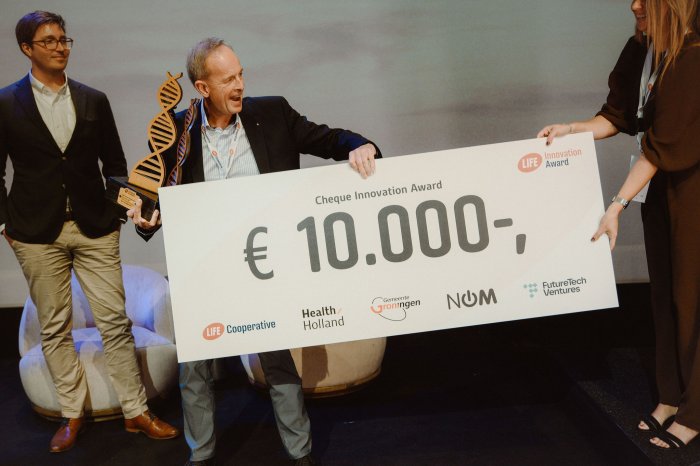
One of the highlights of the conference was the presentation of the LIFE Science Innovation Award. From five nominees — MimeCure, Flux Robotics, GlycanScan International, Limosa Immunodiagnostics and SPCTR — the five-member jury selected MimeCure as the winner. Erik Frijlink, director and co-founder of MimeCure: “Winning the LIFE Science Innovation Award is a great recognition of innovative drug development in Northern Netherlands.”
The five nominees demonstrated the breadth and innovative strength of the Life Sciences & Health sector in Northern Netherlands during their pitches. Their innovations ranged from new applications in healthcare and robotics to technologies for early diagnostics and immunotherapy.
The fifth edition of the LIFE Science Conference once again underlined its role as an important driver and connector within the Life Sciences & Health ecosystem.
“From vision to impact sounds simple, but the reality is more complex. Today, we saw that it is possible when science, entrepreneurship, government and healthcare succeed in finding each other. It is through genuine collaboration at regional, national and international level that we can make a difference. That is exactly what makes our ecosystem strong, and we are proud of that,” says Ronald Hesse, director of the LIFE Cooperative.
Met de vijfde editie bevestigt de LIFE Science Conference opnieuw haar rol als belangrijke aanjager en verbinder in het Life Sciences & Health-ecosysteem. “Van visie naar impact klinkt eenvoudig, maar de praktijk is weerbarstig. Vandaag zagen we dat het wél kan als wetenschap, ondernemerschap, overheid en zorg elkaar weten te vinden. Het is door echte samenwerking op regionale, nationale en internationale schaal dat we het verschil maken. Dat is precies de kracht van ons ecosysteem en daar zijn we trots op,” zo besluit Ronald Hesse, directeur LIFE Cooperative.
Tekst: LIFE Cooperative. Fotografie: Casper Maas
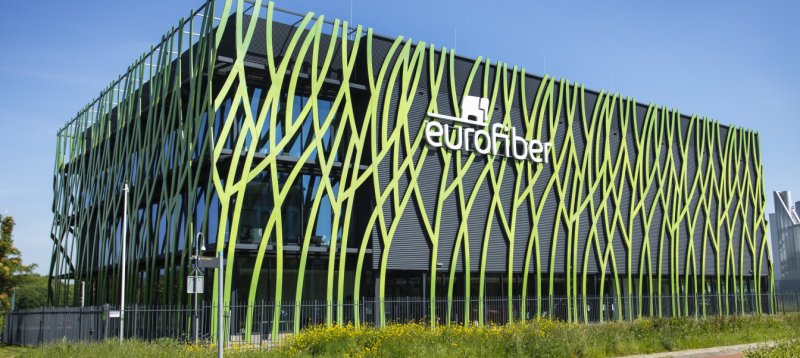
The announcement of the location on 21 September 2026 marks another step in the development of the Dutch AI factory. In addition to the AI supercomputer, the facility includes an expertise centre in the former Niemeyer factory, where knowledge, expertise and AI applications come together. The combination of knowledge, talent, entrepreneurship and advanced digital infrastructure further strengthens Groningen’s position as a hub for innovation. During her visit to Groningen, State Secretary for Digital Economy and Sovereignty Willemijn Aerdts also highlighted the importance of the new infrastructure. In her LinkedIn post, she emphasises access to knowledge, computing power and space as essential for developing and scaling AI applications in the Netherlands. Read more details in the article below by Richold Brandsma, originally published in Dagblad van het Noorden.AI factory supercomputer to be located at Zernike Campus in Groningen The supercomputer of the AI factory in Groningen will be located at Zernike Campus, near Eurofiber’s data centre. ICT cooperative SURF announced this on Monday afternoon during a visit to Groningen by State Secretary Willemijn Aerdts (Economic Affairs). The computer is expected to be operational by early 2028.EU seeks to reduce dependence on China and US To provide a counterweight to China and the US in particular, Europe is building its own AI factories. In addition to the Netherlands, these are being established in countries including Germany, France, Finland, Greece and Poland. An AI factory is already operational in Luxembourg. The factories are intended to increase Europe’s independence from major technology companies while strengthening its competitive position. Businesses, governments, researchers and educational institutions in the Netherlands will be able to use the enormous computing power provided by the supercomputer at Zernike Campus. They will have the opportunity to develop and apply AI models. The hope and expectation is that the Groningen supercomputer will contribute to economic growth.Computer’s residual heat to be used by WarmteStad According to SURF, the computer at Zernike Campus has already been incorporated into the electricity grid. The large amount of energy required by the computer is therefore not expected to lead to additional grid congestion. Its residual heat will be reused by municipal heating company WarmteStad, which currently supplies heat to more than 9,000 households. In addition to the computer at Zernike Campus, the AI factory includes an expertise centre located in the former Niemeyer factory in Groningen. The expertise centre is already supporting projects that make use of computing capacity at European AI factories. The AI factory is funded by the European Union, the Dutch government and the northern Netherlands region through the Nij Begun programme.
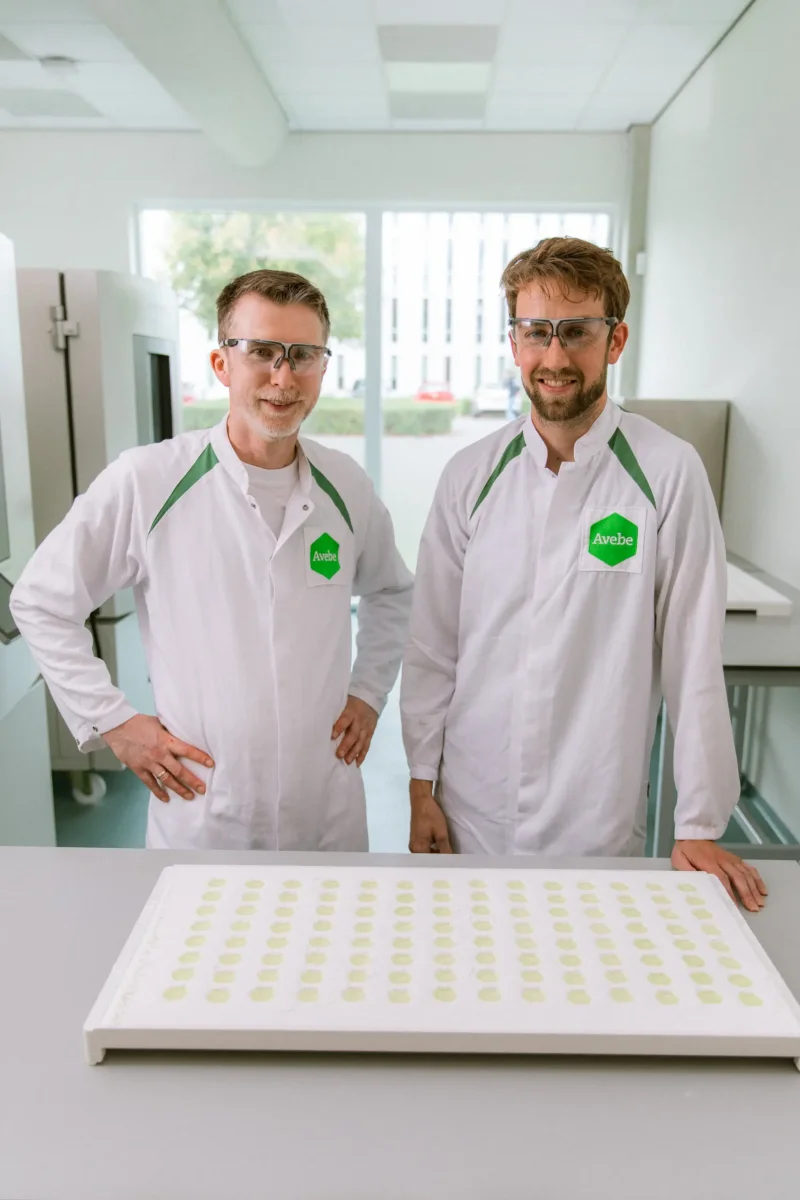
Royal Avebe won an international innovation award at the 2026 World Confectionery Awards. The Groningen-based cooperative received the award for PerfectaGEL®, an innovative potato starch that reduces the drying time of vegan gummies from a maximum of 72 hours to just 3 hours.
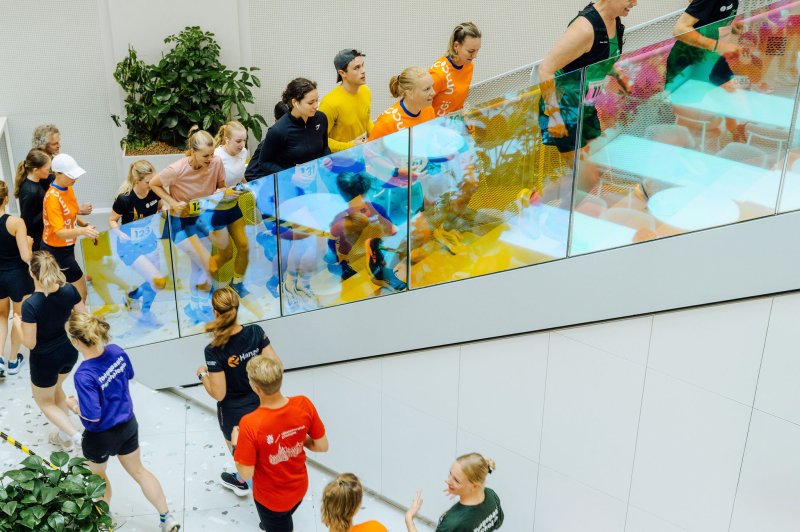
More than 700 participants laced up their running shoes on Friday 11 September for the seventh edition of the Campus Trail. This set a new participation record for the annual fun run across Zernike Campus Groningen. Employees of companies and knowledge institutions, students and other members of the campus community completed the approximately 6.4-kilometre course together. The official opening remarks were given by Hans van der Aa, Chief Technology & Operations Officer at PolyVation, who is once again taking part in the Trail this year together with many of his colleagues.