The UMCG Transplant Centre at the Healthy Ageing Campus is developing an Organ Assessment & Repair Centre (ARC): a centre of excellence where research, technology and clinical care relating to organ transplantation come together.
The Organ ARC represents an ambitious vision for the future of organ transplantation. Its realisation will have a major impact on innovation, economic activity and the further development of transplant medicine in the northern Netherlands. ‘It will help increase the availability of donor organs and improve outcomes for patients.’
According to Vincent de Meijer, a liver transplant surgeon and chair of the UMCG Transplant Centre, the plan builds on the UMCG’s existing expertise. ‘We already possess extensive knowledge in the fields of organ failure, transplant medicine and machine perfusion. This is the technique developed at the UMCG whereby donor organs are treated and assessed outside the body before being transplanted. By pooling all this knowledge and these facilities and bringing them together under one umbrella, a unique research centre for organ perfusion and transplant innovations will be created.’
The Organ ARC is set to become a physical location where scientists, doctors, perfusionists and technology companies collaborate on the next steps in the field of organ failure and transplant medicine. De Meijer: ‘Donor organs will not only be assessed there for suitability for transplantation, but may also be treated and improved before being sent to patients in other hospitals or abroad. In the future, donor organs could be brought from, for example, Germany to Groningen for treatment and then returned to the transplant centre of origin.’
The Organ ARC is designed to accommodate a wide range of research activities, ranging from laboratory research using cell models and organs-on-a-chip to studies involving machine perfusion of human donor organs. In addition, the UMCG aims to attract companies working on new medicines, medical equipment, sensors and other innovations that can make transplants safer and more effective. The UMCG also wants to explore new transport options, including the use of drones for the more sustainable transport of donor organs. De Meijer: ‘Through this research, we hope ultimately to be able to help more patients receive a well-functioning donor organ that lasts longer and further improves their quality of life.’
Donor organs remain in short supply, whilst the average age of both donors and recipients is rising. De Meijer: ‘As a result, the complexity of transplants is increasing. New technology should help to make more donor organs suitable for transplantation.’ Machine perfusion plays a very important role in this. Thanks to this technique, organs that would previously have been rejected can sometimes still be used. ‘I expect that further development of such techniques will contribute to an increase in the number of available donor organs and better outcomes for patients.’
Organ ARC as a hub for the Northern Netherlands
“The development of Organ ARC underlines Groningen’s strength as a hotspot for innovation in transplantation. What once began as pioneering work in transplant medicine is now evolving into a campus-wide innovation theme where healthcare, science, technology and entrepreneurship come together. We are proud that the Healthy Ageing Campus is joining forces with the UMCG in this ambitious endeavour,” said Edward van der Meer, director of the Healthy Ageing Campus.
With Organ ARC, the UMCG aims to firmly position itself as a hub in the Northern Netherlands for organ perfusion and transplant innovation. It is also looking to international collaboration, including with German transplant centres. The establishment of a physical centre will take some time, but the ambition is clear: Groningen must develop into a leading international centre where the future of transplant care is developed.
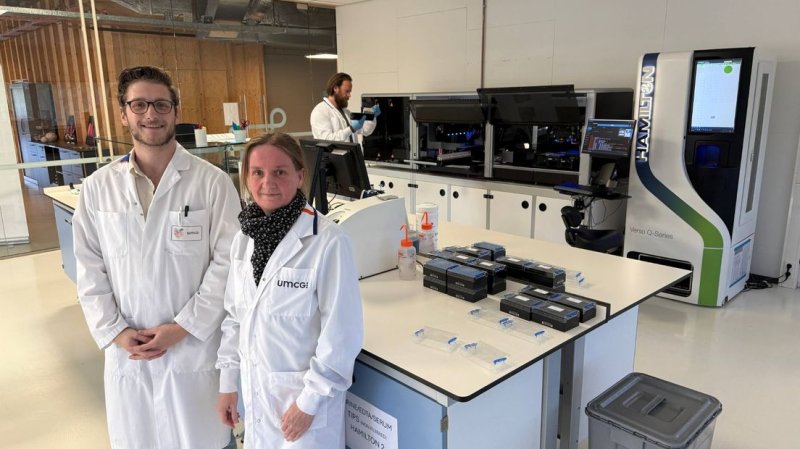
The large-scale Lifelines population study is inviting new participants for the first time in twenty years. The study is seeking around 16,000 relatives of existing participants. This expansion has been made possible by a grant from the National Programma Groningen (NPG).
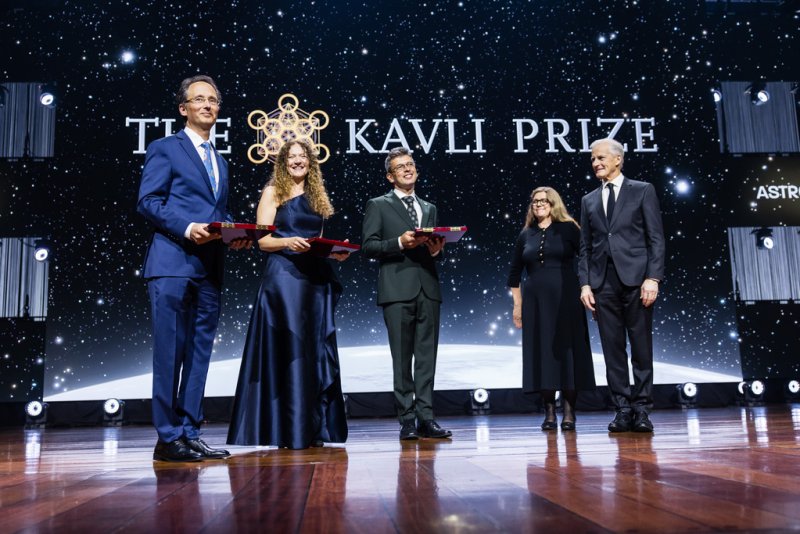
The 2026 Kavli Prize was awarded last week. Alongside the Nobel Prize, the Kavli Prize is regarded as one of the highest honours in science and is awarded every two years by the Norwegian Academy of Science and Letters.
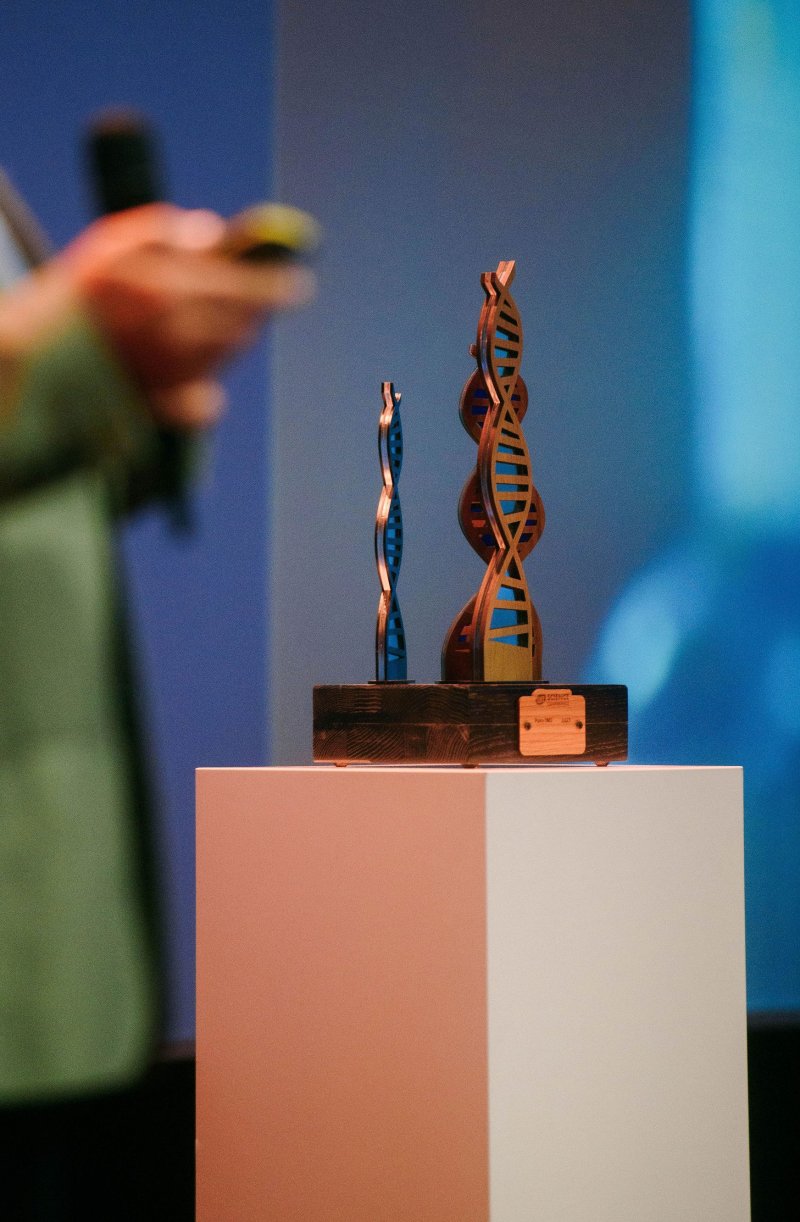
Who is developing the most impactful innovation in Life Sciences & Health in the Northern Netherlands? Five companies are in the running for the LIFE Science Innovation Award 2026: Flux Robotics, Limosa Immunodiagnostics, SPCTR, MimeCure and GlycanScan International. The nominees will present their innovations on Tuesday 22 September during the fifth edition of the LIFE Science Conference in Groningen. An independent jury will select the winner, who will receive a €10,000 cash prize.