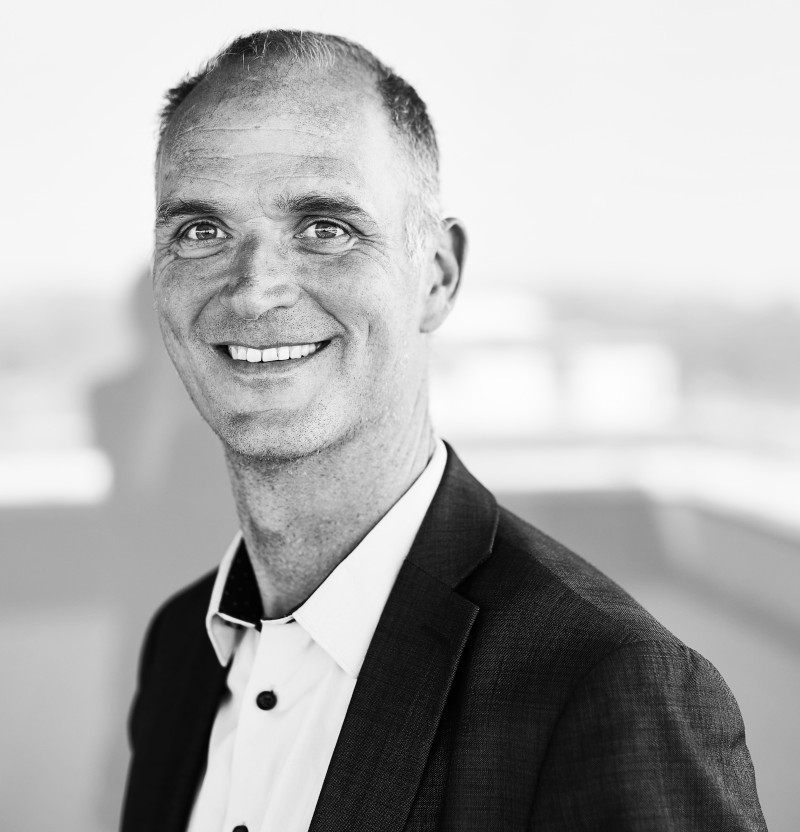
King Willem-Alexander has appointed former LIFE Cooperative board members Ton Vries and Johannes Wolters as Officers of the Order of Orange-Nassau. The royal distinctions were festively presented by Mayor Roelien Kamminga of Groningen during the Life Science Conference of the LIFE Cooperative on Tuesday, September 23. The board and team of the cooperative are proud of this recognition, which honors the decades-long commitment and meaningful contributions of these leading figures in the Life Sciences, Health & MedTech sector in the Northern Netherlands—and far beyond.
Peter Ketelaar, Chair of the LIFE Cooperative Board: “We are incredibly proud of Johannes and Ton. Their dedication has truly shaped the Life Sciences, Health & MedTech sector, not only in the Northern Netherlands. Their commitment, expertise, and entrepreneurship have strengthened our cooperative and had a major societal and economic impact, both nationally and internationally!”
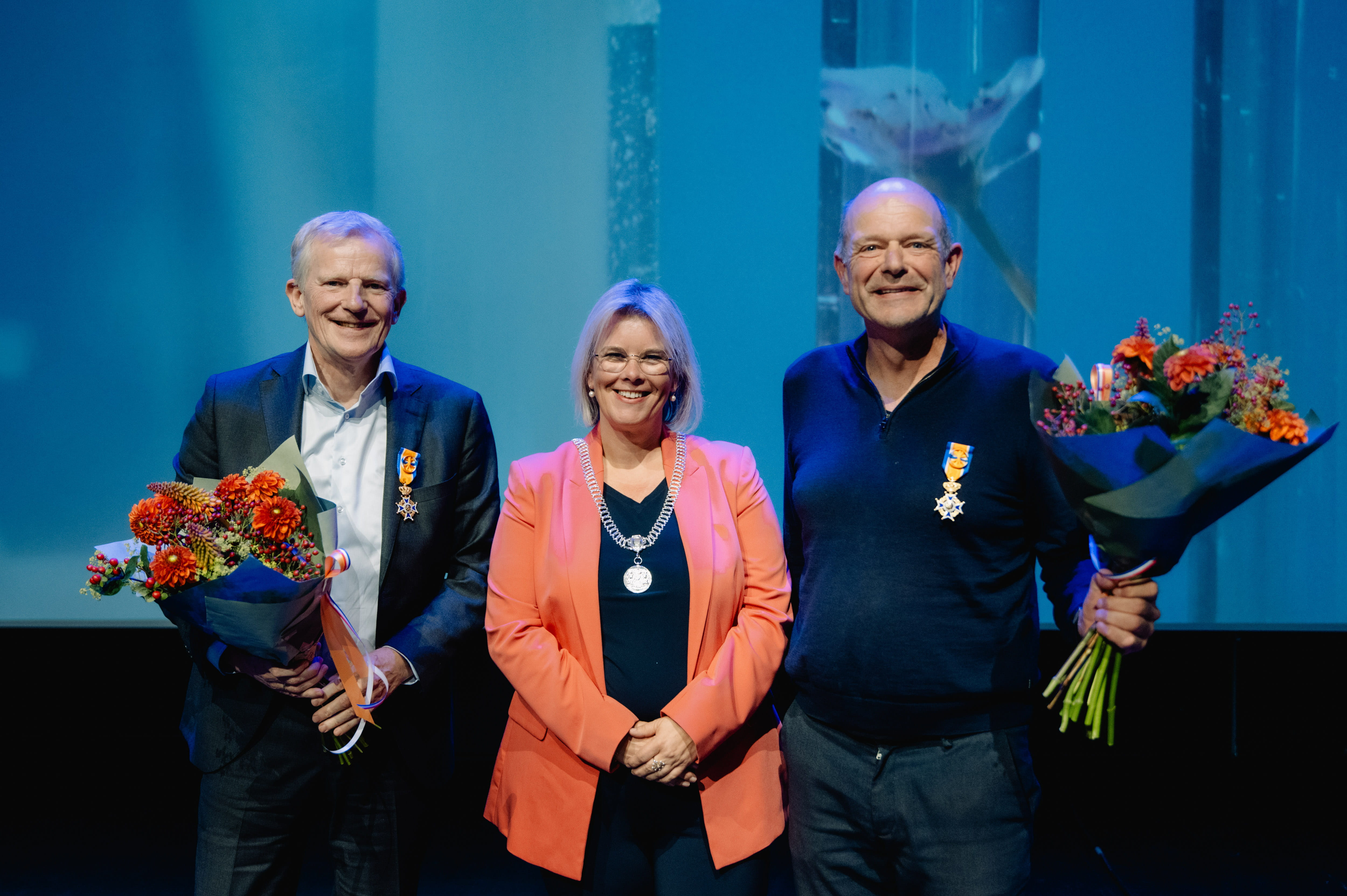
For most of his career, Johannes Wolters has been committed to advancing the Life Sciences, Health & MedTech sector in the Northern Netherlands, with a strong focus on societal and economic impact. From 2000 until his retirement earlier this year, he was the sole owner of Lode Holding—a more than 75-year-old company that flourished under his leadership. With subsidiaries Lode, ProCare, aXtion, Umaco, and Omnium, the group annually produces hundreds of medical devices and software solutions that contribute to health and rehabilitation worldwide. Almost every Olympic athlete improves their performance with equipment from Lode Holding.
Johannes initiated the Wenckebach project and other large-scale collaborative initiatives, invested millions in innovative medical ideas for diverse target groups, and helped establish numerous spin-offs. His work has directly supported thousands of patients every day. Until recently, he was active in regional initiatives such as SSIG (Sport Science & Innovation Groningen), the LIFE Cooperative (as co-founder), and the Campus Trail, while also mentoring young entrepreneurs and startups.
The next generation has since taken over the family business. Annelies Wolters, CEO of Lode Holding and daughter of Johannes: “My father has always dedicated himself to society and the well-being of others. Whether it’s medical innovation, supporting vulnerable groups, or inspiring young people in technology and science, his efforts have always been driven by responsibility, vision, and a deep sense of community.
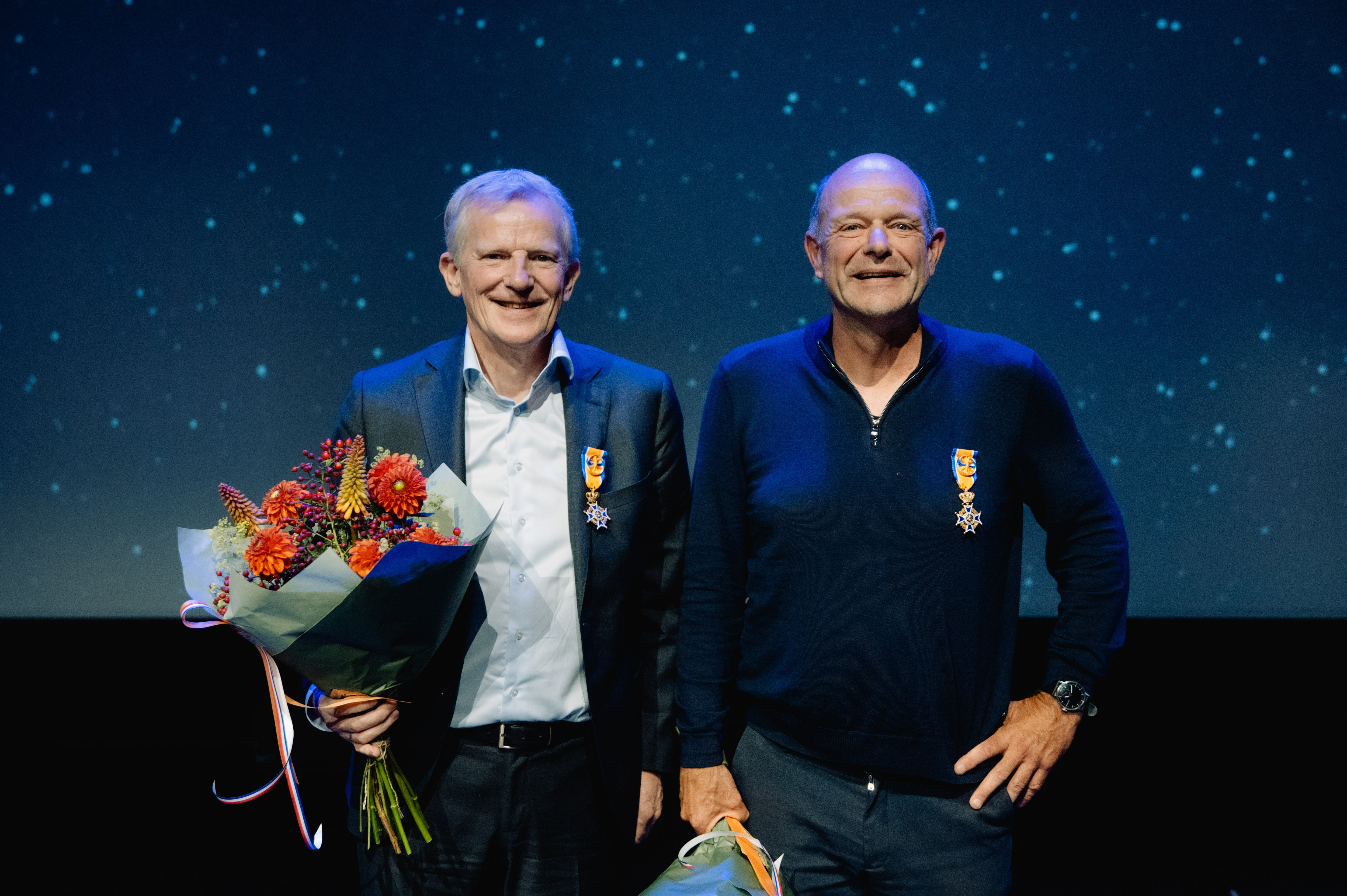
For more than 35 years, Ton Vries has been a driving force in the Life Sciences & Health sector. From 2000 to 2020, he served as CEO of Syncom BV, which under his leadership grew into a successful spin-off of the University of Groningen. In 2017, he co-initiated the merger of Syncom and Mercachem, creating Symeres, a leading European contract research organization with over 600 employees worldwide.
Ton is the inventor of the Dutch Resolution, a method for efficiently separating chiral compounds. This breakthrough resulted in patents, publications, licensing agreements with DSM, and four PhD theses—solidifying the Netherlands’ international leadership in pharmaceutical crystallization technology and green chemistry.
He is also co-founder and CEO of BioBTX, a Groningen-based company with global impact that gives plastic waste a second life. Using its proprietary technology, residual waste streams are converted into valuable, circular building blocks for the chemical industry. The company is now preparing to build the world’s first circular aromatics plant in Delfzijl.
Ton co-founded the LIFE Cooperative, guided young entrepreneurs, and realized numerous groundbreaking projects. Personally, he is known for his no-nonsense attitude, boundless energy, and popularity among colleagues.
Robert Hof, former colleague at Symeres and LIFE Cooperative board member: “Ton is a true go-getter. When Syncom ran into trouble in 2008, he brought in new investors and rebuilt the company into the great success that Symeres is today. Ton is no-nonsense, not one for status or pretense. He doesn’t wear a suit—not even when Prime Minister Rutte or Queen Máxima visits. His company car? For years it was a 15-year-old Opel Astra, shared with the neighbor. With Ton, it’s always what you see is what you get. That directness and authenticity make him so beloved.”
"We are incredibly proud of Johannes and Ton. Their dedication has truly shaped the Life Sciences, Health & MedTech sector, not only in the Northern Netherlands. Their commitment, expertise, and entrepreneurship have strengthened our cooperative and had a major societal and economic impact, both nationally and internationally!"
Peter Ketelaar Chair of the board of the LIFE Cooperative
Roles & Organizations
1985: Joined Lode as Controller
1992: Conducted a management buyout with a partner from the then-American owners of Lode
2000: Became 100% owner and CEO of Lode; shortly after, founded additional companies and Lode Holding as the parent company. Between 2000–2025, led multiple acquisitions and participated in various ventures
2023: Next generation joins the company, solidifying Lode Holding as a family business
2025: Retired on May 1, passing leadership to daughter Annelies (CEO) and son Freek (CFO)
2014–2024: Co-founder & board member of LIFE Cooperative
Impact & Innovation
Produced over 1,000 medical devices, benefiting millions of patients worldwide
Projects spanning rehabilitation, sports, ADL equipment, prehabilitation & perioperative care
Co-initiated the Campus Trail running event with Campus Groningen (since 2017)
Sponsored scientific research and involved in initiatives such as Girls’ Day and student excursions
Societal Engagement
Mentored young entrepreneurs (>40 start-ups/year)
Volunteer at SSIG (Sport Science & Innovation Groningen), ~12 hours/week
Advisor and board member for RVO, Smitfonds, and juror in entrepreneurship competitions
Roles & Organizations
2000–2020: CEO of Syncom BV, growing the company from 30 to over 100 employees
2017: Merged Syncom and Mercachem to create Symeres, now with over 600 employees worldwide
Co-initiator of InnoLab Chemie, Cliq Swiss Tech, and BioBTX
2014–2024: Co-founder & Chair of LIFE Cooperative
2014–present: Board member of Campus Groningen
Current: Board member of PharmaNL
Innovation & Science
PhD in Organic Chemistry, 1996, University of Groningen under Professor Hans Wijnberg
Inventor of the Dutch Resolution method for separating chiral compounds
Patents, publications (e.g., Angewandte Chemie), DSM licensing, 4 PhDs supervised
Impact: more efficient and sustainable pharmaceutical production, strengthening Dutch expertise in pharmaceutical crystallization technology
Societal Engagement
Mentor and coach to young entrepreneurs and colleagues
Delivered notable projects within LIFE Cooperative
Personal reputation: no-nonsense, energetic, determined, highly respected by peers
Athletic: maintains daily long-distance running
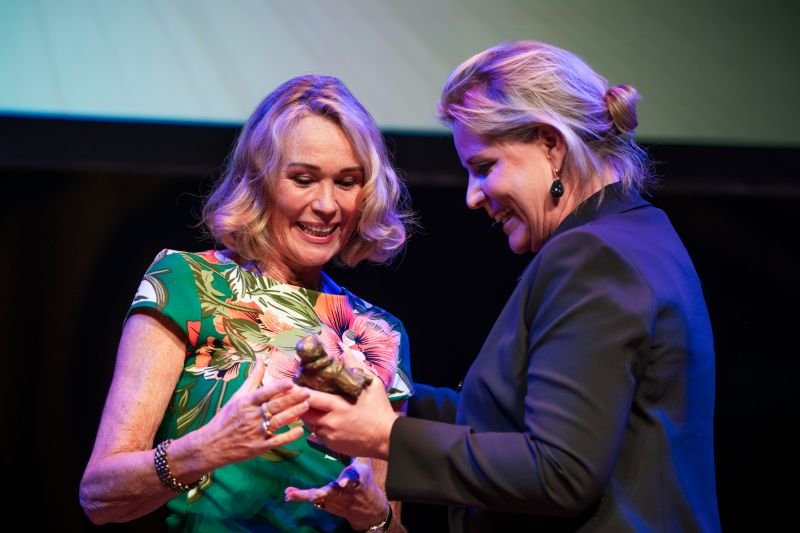
Iris Sommer will receive the 2026 NWO Stevin Prize, the highest honour for researchers in the Netherlands who have achieved exceptional results in translating knowledge into societal impact. Sommer will receive €1.5 million, to be spent on scientific research and initiatives relating to knowledge utilization. Sommer is a professor of Psychiatry at the UMCG and the UG.
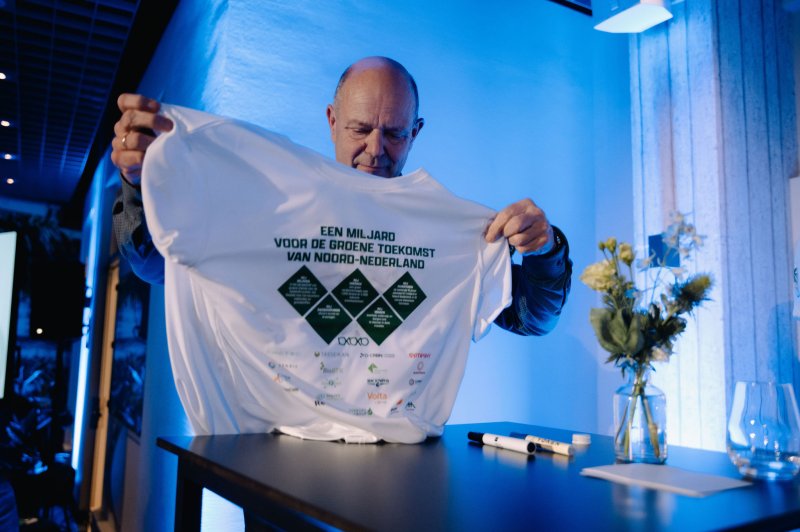
Mooi nieuws: 10x10x10 is genomineerd voor de Duurzame Dertig 2026, een initiatief van Dagblad van het Noorden, Leeuwarder Courant en Friesch Dagblad. Het project is geselecteerd in de categorie Duurzame samenwerking.
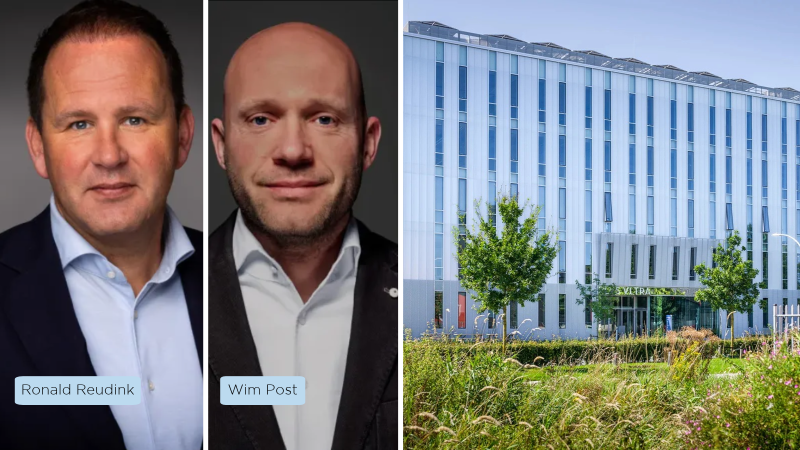
Engineero vestigt zich op Campus Groningen.