Within the Campus Groningen ecosystem, companies, knowledge institutions and industry partners work together on solutions for the circular economy of tomorrow. We are proud that ChainCraft, with a location at Campus Groningen, is playing an important role in the new European PACE project. Through this initiative, the company demonstrates how industrial side streams can be transformed into sustainable chemical building blocks, and how collaboration within strong ecosystems enables innovation at scale. Read the press release prepared by ChainCraft below.
ChainCraft is proud to launch the PACE project, a European initiative advancing the circular biobased economy. Supported by the Circular Bio-based Europe Joint Undertaking (CBE JU), the project brings together industrial and innovation partners across the value chain to accelerate the industrial deployment of sustainable medium-chain fatty acids (MCFAs).
As part of the project, PACE will demonstrate a first-of-its-kind flagship biorefinery by retrofitting part of Royal Avebe ’ s existing production facility. Using advanced fermentation and microbial chain elongation, the facility will convert potato juice side-streams into valuable biobased MCFAs for applications across the chemical industry.
The project represents an important step toward reducing Europe’s dependency on fossil and palm oil-based chemistry while strengthening local, circular value chains. By integrating circular solutions into existing industrial infrastructure, PACE demonstrates how industrial side-streams can be transformed into scalable and commercially relevant chemical building blocks.
PACE aims to produce up to 20,000 tonnes of purified MCFAs annually from approximately 300,000 tonnes of potato juice, while significantly improving resource efficiency through wastewater reuse and reduced transport emissions. Compared to conventional fossil and palm-based alternatives, the biobased MCFAs are expected to reduce greenhouse gas emissions by 50–80%, enabling the chemical industry to decarbonize its value chain.
“PACE demonstrates how circular chemistry can become part of existing industrial systems at meaningful scale, ” says Niels van Stralen, founder and Chief Growth Officer of ChainCraft. “By upgrading infrastructure that already exists and using locally available side-streams, we show that sustainable chemistry does not have to start from scratch. This project is an important example of how Europe can build more resilient and circular chemical value chains. ”
The involvement of downstream partners such as Syensqo, Symrise AG and SC Johnson highlights the growing industrial interest in circular and biobased alternatives to conventional chemistry. Together with partners across the value chain, PACE aims to accelerate market adoption and commercial scale-up of biobased fatty acids, while strengthening Europe ’ s position as a pioneer in deforestation-free and import-independent chemical production.
Meer informatie: www.chaincraft.com
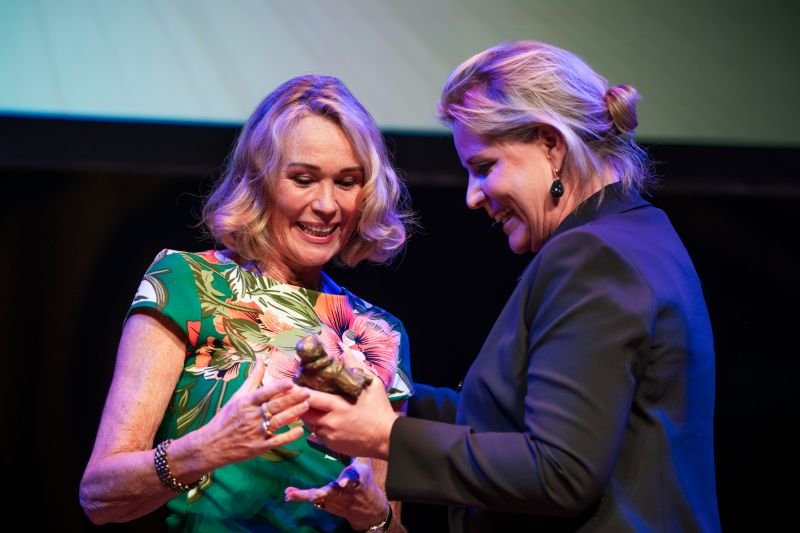
Iris Sommer will receive the 2026 NWO Stevin Prize, the highest honour for researchers in the Netherlands who have achieved exceptional results in translating knowledge into societal impact. Sommer will receive €1.5 million, to be spent on scientific research and initiatives relating to knowledge utilization. Sommer is a professor of Psychiatry at the UMCG and the UG.
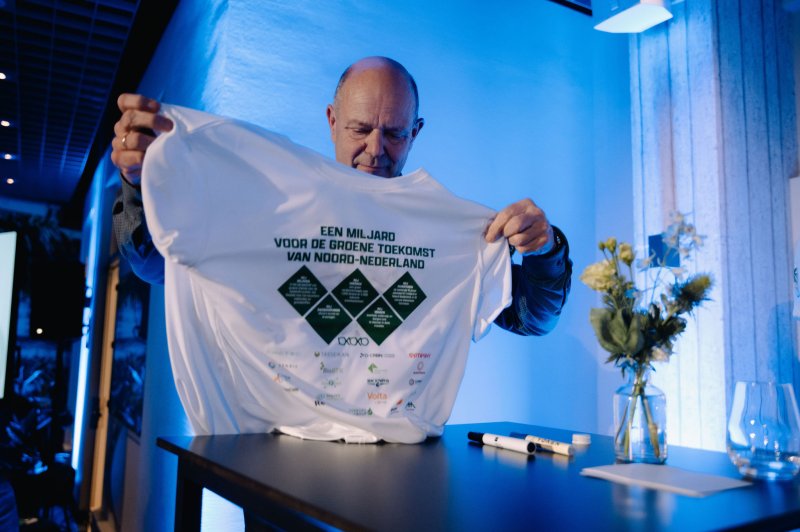
Mooi nieuws: 10x10x10 is genomineerd voor de Duurzame Dertig 2026, een initiatief van Dagblad van het Noorden, Leeuwarder Courant en Friesch Dagblad. Het project is geselecteerd in de categorie Duurzame samenwerking.
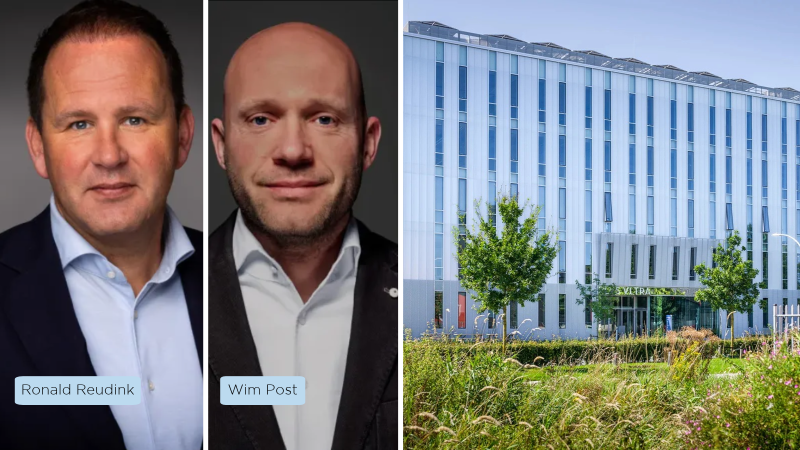
Engineero vestigt zich op Campus Groningen.