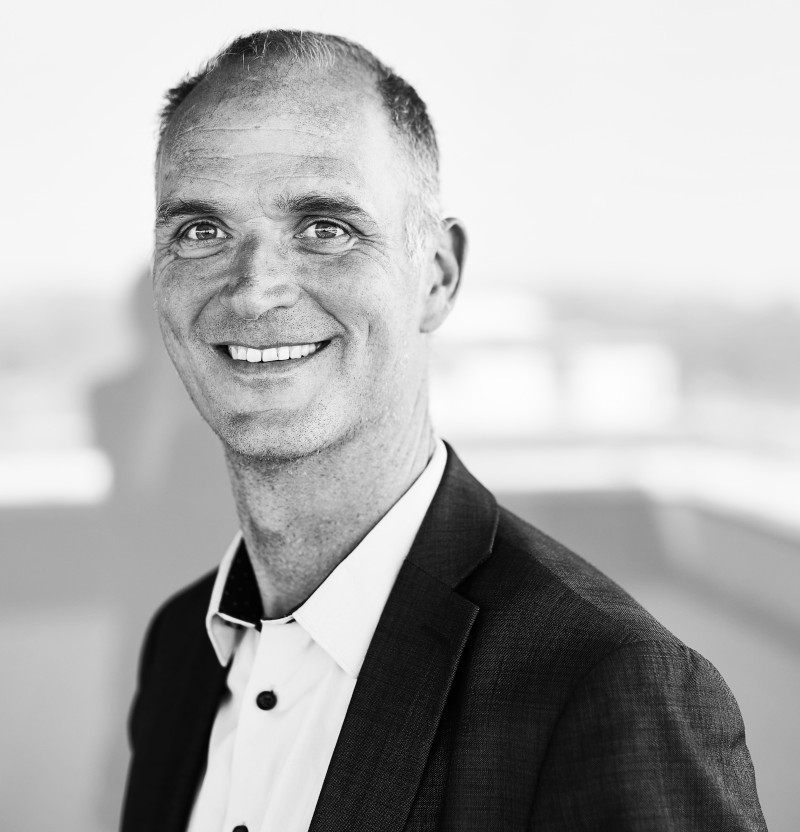
Campus Groningen will play an important role in the Dutch AI factory. The AI supercomputer that forms part of this new national infrastructure will be located at Eurofiber’s data centre campus at Zernike Campus. In addition, an AI expertise centre will be established in the former Niemeyer factory, bringing together knowledge, talent and AI applications.
The announcement of the location on 21 September 2026 marks another step in the development of the Dutch AI factory. In addition to the AI supercomputer, the facility includes an expertise centre in the former Niemeyer factory, where knowledge, expertise and AI applications come together. The combination of knowledge, talent, entrepreneurship and advanced digital infrastructure further strengthens Groningen’s position as a hub for innovation.
During her visit to Groningen, State Secretary for Digital Economy and Sovereignty Willemijn Aerdts also highlighted the importance of the new infrastructure. In her LinkedIn post, she emphasises access to knowledge, computing power and space as essential for developing and scaling AI applications in the Netherlands.
Read more details in the article below by Richold Brandsma, originally published in Dagblad van het Noorden.
The supercomputer of the AI factory in Groningen will be located at Zernike Campus, near Eurofiber’s data centre. ICT cooperative SURF announced this on Monday afternoon during a visit to Groningen by State Secretary Willemijn Aerdts (Economic Affairs). The computer is expected to be operational by early 2028.
To provide a counterweight to China and the US in particular, Europe is building its own AI factories. In addition to the Netherlands, these are being established in countries including Germany, France, Finland, Greece and Poland. An AI factory is already operational in Luxembourg. The factories are intended to increase Europe’s independence from major technology companies while strengthening its competitive position.
Businesses, governments, researchers and educational institutions in the Netherlands will be able to use the enormous computing power provided by the supercomputer at Zernike Campus. They will have the opportunity to develop and apply AI models.
The hope and expectation is that the Groningen supercomputer will contribute to economic growth.
According to SURF, the computer at Zernike Campus has already been incorporated into the electricity grid. The large amount of energy required by the computer is therefore not expected to lead to additional grid congestion. Its residual heat will be reused by municipal heating company WarmteStad, which currently supplies heat to more than 9,000 households.
In addition to the computer at Zernike Campus, the AI factory includes an expertise centre located in the former Niemeyer factory in Groningen. The expertise centre is already supporting projects that make use of computing capacity at European AI factories.
The AI factory is funded by the European Union, the Dutch government and the northern Netherlands region through the Nij Begun programme.
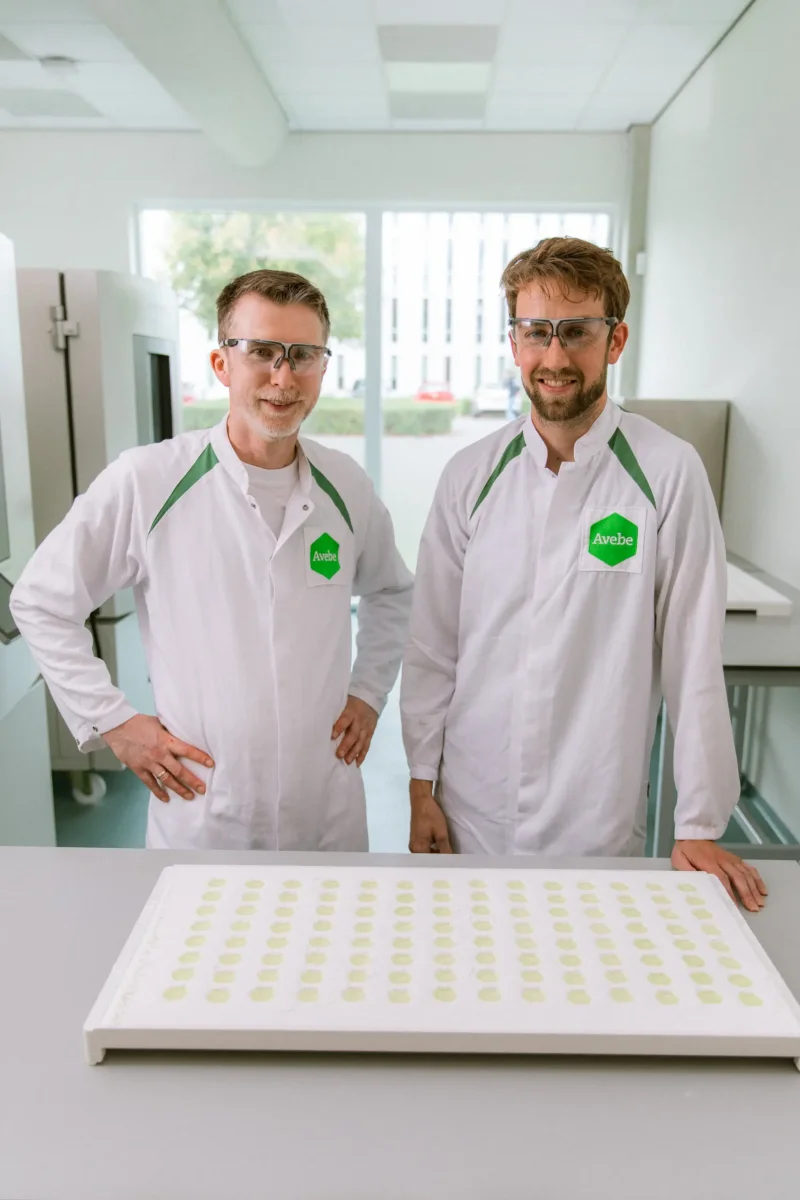
Royal Avebe won an international innovation award at the 2026 World Confectionery Awards. The Groningen-based cooperative received the award for PerfectaGEL®, an innovative potato starch that reduces the drying time of vegan gummies from a maximum of 72 hours to just 3 hours.
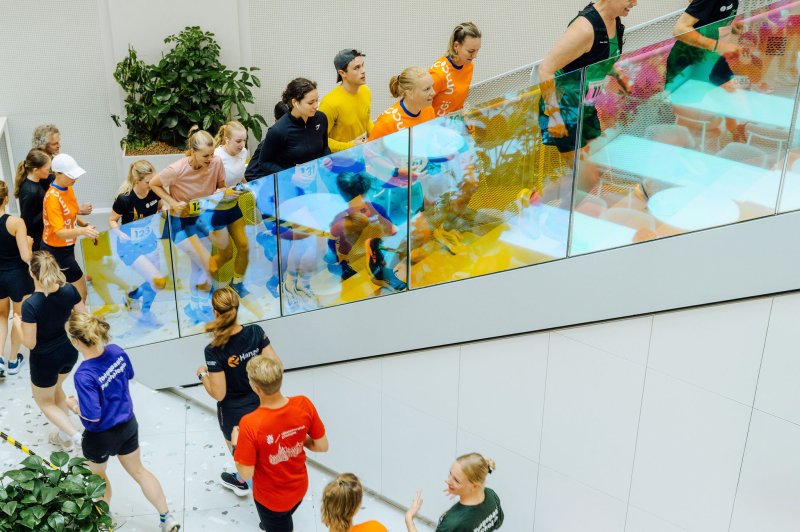
More than 700 participants laced up their running shoes on Friday 11 September for the seventh edition of the Campus Trail. This set a new participation record for the annual fun run across Zernike Campus Groningen. Employees of companies and knowledge institutions, students and other members of the campus community completed the approximately 6.4-kilometre course together. The official opening remarks were given by Hans van der Aa, Chief Technology & Operations Officer at PolyVation, who is once again taking part in the Trail this year together with many of his colleagues.
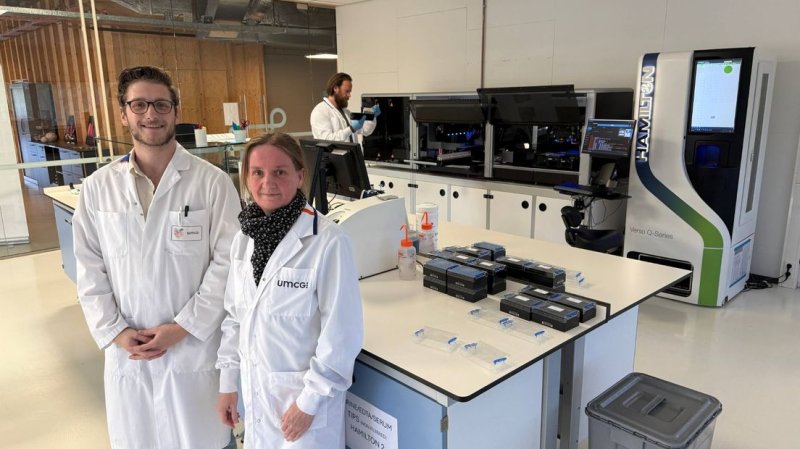
The large-scale Lifelines population study is inviting new participants for the first time in twenty years. The study is seeking around 16,000 relatives of existing participants. This expansion has been made possible by a grant from the National Programma Groningen (NPG).