Het Groningse deeptechbedrijf Circolide heeft verschillende financiering opgehaald voor de verdere ontwikkeling van haar innovatieve technologie. Met behulp van licht en groene energie produceren zij duurzame chemische bouwstenen uit biomassa-afvalstromen. Met deze financiele inpuls zet Circolide een belangrijke stap richting de opschaling van haar productieproces en de realisatie van een testomgeving in Noord-Nederland. De middelen worden daarnaast ingezet voor de uitbreiding van het team, zowel op technologisch als commercieel vlak. De totale investering komt van Future Tech Ventures, NWO en Angel Investeerders. Deze combinatie van financieringsbronnen is een ideale mix voor een early-stage startup zoals Circolide.
“Met deze financiering kunnen we onze technologie op grotere schaal valideren en dichter bij marktintroductie brengen,” zegt Thomas Freese, CEO & CTO van Circolide. “We gaan investeren in betere apparatuur, een pilot plant en samenwerking met industriële partners om onze duurzame moleculen daadwerkelijk in praktische toepassingen te testen.”
“Future Tech Ventures investeert in Circolide omdat het de uitdagingen in een moeilijk te decarboniseren segment van de chemische industrie aanpakt. Wij geloven dat Circolide een unieke route naar decarbonisatie biedt. Veel biogebaseerde alternatieven hebben moeite gehad te voldoen aan de eisen van de industrie op het gebied van prestaties, kosten en duurzaamheid. Wij zetten ons in om Circolide te ondersteunen als strategische investering”, aldus Ignacio Faustino, Investment Manager, Future Tech Ventures.
Een groot deel van de gebruikte chemische bouwstenen zijn vandaag de dag nog volledig afhankelijk van olie en gas. Deze fossiele basis creëert een enorme mondiale CO₂-voetafdruk én maakt productie kwetsbaar in een wereld van schaarste en geopolitieke druk. Duurzamere alternatieven bestaan, maar halen vaak niet het vereiste prestatieniveau, missen kwaliteit of zijn nog niet schaalbaar. Circolide ontwikkelt een technologie waarmee chemische bouwstenen, veelal gebruikt in onder andere coatings en cosmetica, niet langer uit aardolie worden gemaakt, maar uit reststromen van biomassa. Wat Circolide uniek maakt, is de combinatie van afval gebaseerde grondstoffen met een productieproces gedreven door licht. Hierdoor wordt niet alleen het materiaal zelf duurzamer, maar ook het productieproces energie-efficiënter en milieuvriendelijker.
“Wij maken geen kopie van bestaande fossiele moleculen, maar ontwikkelen nieuwe varianten met unieke eigenschappen,” legt Hannah Feringa, CCO & COO van Circolide, uit. “Dankzij die unieke eigenschappen kunnen onze klanten deze bouwstenen beter verwaarden in hun keten. Zo dragen we bij aan de volgende generatie duurzame materialen, bijvoorbeeld voor coatings en kunststoffen, met een verbetering op kwaliteit en prestaties.
Circolide is een spin-out van onderzoek dat oorspronkelijk plaatsvond binnen een samenwerking tussen AkzoNobel en de Rijksuniversiteit Groningen (RUG). Inmiddels is het bedrijf volledig zelfstandig en richt het zich op de commerciële validatie van de technologie. De samenwerking met industriële partners blijft echter een essentieel onderdeel van de groeistrategie.
De financiering stelt Circolide in staat om haar technologie verder op te schalen en te testen in realistische toepassingen. In samenwerking met partijen uit de coatingindustrie, waaronder AkzoNobel, worden de eerste praktijktesten uitgevoerd. Daarnaast kijkt Circolide ook naar toepassingen in de cosmetica- en personal caresector.
“Onze technologie rust op meerdere patenten. We hebben een patent ingediend voor ons productieproces en onze moleculen worden al jaren getest in uiteenlopende coatingtoepassingen, onder andere met AkzoNobel.” aldus Freese. “De volgende stap is om deze resultaten te vertalen naar industriële schaal en aantonen dat we een echt circulair alternatief kunnen bieden.”
De beoogde pilot plant zal in de regio Noord-Nederland worden gerealiseerd, waar Circolide wil bijdragen aan de ontwikkeling van het groene chemiecluster. De regio geldt als een broedplaats voor duurzame innovatie op het gebied van groene chemie.
Op de lange termijn wil Circolide dan ook uitgroeien tot een internationale koploper in groene chemie. “Over tien jaar hopen we dat Circolide wereldwijd wordt gezien als een belangrijke speler in duurzame chemie.” zegt Freese. “We bouwen niet alleen aan een innovatieve technologie, maar ook aan een nieuwe manier van werken in de chemie, met oog voor mens, milieu en toekomst,” vult Feringa aan.
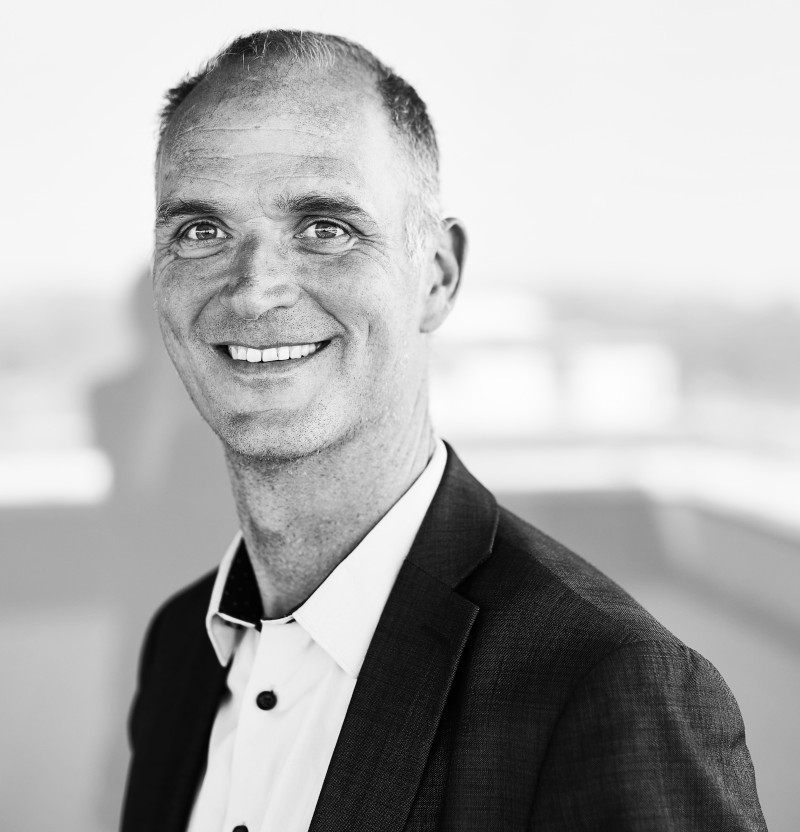
Foto: v.l.n.r.Ignacio Faustino, Devi Rajendran, Prathap Kaniraj, Hannah Feringa en Thomas Freese
Fotograaf: Casper Maas Fotografie
Op zondag 31 mei 2026 staat Groningen in het teken van sport, doorzettingsvermogen en betrokkenheid. Tussen alle lopers is ook het herkenbare roze van Vrienden Beatrix Kinderziekenhuis zichtbaar.
The LIFE Cooperative, part of the Northern Netherlands life sciences ecosystem at Campus Groningen, is organizing the Dutch Medicines Winter Afternoon together with FIGON on Thursday, 26 February. This fully booked event brings together leading scientists and industry experts to explore the latest developments in innovative medicines and advanced drug delivery. Read the full article as published by the LIFE Cooperative.National Attention for Sold-Out Dutch Medicines Winter Afternoon: Innovative Medicines and Advanced Drug Delivery Take Center Stage in Groningen Innovation in medicines takes center stage on Thursday, 26 February during the Dutch Medicines Winter Afternoon, an inspiring event organized by FIGON (Federation for Innovative Drug Research Netherlands) in collaboration with the LIFE Cooperative. “We are extremely proud of the strong line-up at this event, bringing together leading experts from science and industry to explore the frontiers of drug development. The fact that registrations are already fully booked underlines the great importance of this event for the life sciences ecosystem, and in particular for the Northern Netherlands,” says Ronald Hesse, Director of the LIFE Cooperative. The Dutch Medicines Winter Afternoon brings together scientists, innovators, and professionals from across the Netherlands for an afternoon of insights, knowledge exchange, and networking opportunities. The speaker line-up features experts from both academia and industry. This event is already fully booked. Interested in joining the waiting list? Please email: amber@lifecooperative.nlConnecting force The afternoon will be opened by Prof. Klaas Poelstra of the University of Groningen (RUG), Chair of FIGON, who will outline the importance of innovative drug development in the Netherlands. This will be followed by an introduction by Robert Hof on behalf of the LIFE Cooperative, highlighting the cooperative’s role as a connecting force within the regional ecosystem. The first session block before the break focuses on innovation in drug delivery systems. Rob Steendam (CTO, InnoCore) will discuss the development of long-acting SynBiosys® microspheres for controlled and sustained drug release. Jaap Wieling (CEO, PureIMS) will present the potential of dry-powder inhalation via the Cyclops® technology for both pulmonary and systemic indications. From an academic perspective, Prof. Marleen Kamperman (University of Groningen) will explore the potential of polyelectrolyte coacervates as innovative drug delivery platforms.Deep dive After the break, the focus shifts to advanced nanomedicines and clinical development strategies. Dr. Flávia Sousa (RUG) will present her work on polymer-based nanomedicines for the delivery of biotherapeutics to the brain. Dr. Ad Roffel (ICON plc, Groningen) will address mass balance and absolute bioavailability studies with ¹⁴C-labeled drugs in humans, an essential component of clinical drug development. Prof. Erik Frijlink (RUG) will reflect on the value of innovation within both established and advanced drug delivery systems, placing technological progress in a broader pharmaceutical context. Finally, Prof. Helder Santos (RUG) will demonstrate how nanomedicines are being used for RNA delivery in myocardial infarction repair, a promising development in cardiovascular therapy. “We are extremely proud of the strong line-up at this event, bringing together leading experts from science and industry to explore the frontiers of drug development. The fact that registrations are already fully booked underlines the great importance of this event for the life sciences ecosystem, and in particular for the Northern Netherlands." - Ronald Hesse, director LIFE CooperativeClosing and networking The afternoon will conclude with a contribution by Peter Ketelaar (LIFE Cooperative), followed by closing remarks from Prof. Klaas Poelstra. Participants will then have the opportunity to connect and continue discussions during the networking reception. Hesse looks forward to the event: “With this event, FIGON and the LIFE Cooperative underline the strength of collaboration between academia, industry, and clinical practice. The Dutch Medicines Winter Afternoon promises not only to be an inspiring afternoon, but also to provide momentum for further innovation and collaboration within the Northern Netherlands life sciences ecosystem.” Text: lifecooperative.nlPhotographer: Casper Maas
The master plan for the Healthy Ageing Campus has officially been approved! This marks an important step in developing the campus as a hub for knowledge, innovation, and collaboration. With a focus on greenery, health, and connection to the city, the campus will become a vibrant environment where research, education, healthcare, and business come together. The vision provides space for new laboratories, building renovations, meeting places, and closer collaboration between UMCG, RUG, and the business community. Read the whole article by the UMCG below.Green light for the Healthy Ageing Campus Master Plan On Wednesday, 18 February 2026, the Groningen City Council formally approved the master plan for the Healthy Ageing Campus. This is a major milestone, as the plan provides the framework for the campus’s further development and its integration with the surrounding area. At the end of last year, the University of Groningen (RUG), the University Medical Center Groningen (UMCG), and the City of Groningen presented an ambitious, future-proof plan for the campus. Shared ambitions have been translated into coherent spatial and programmatic guidelines for current and future developments. In other words: how much space is available for which functions on the campus, and where is the most suitable location for them? The renewed campus will: Provide space for knowledge, innovation, and collaboration, encouraging interaction between disciplines and people; Connect with the city, making the campus a natural part of Groningen life; Be a healthy and sustainable environment, with attention to greenery, physical activity, wellbeing, and a living environment that supports health; Be lively and accessible, bringing together living, working, research, studying, and healthcare.Next steps The master plan is not only a blueprint for the future, but also a concrete step toward further developing the current campus. Construction and renovation on the UMCG and RUG grounds are ongoing, and each project must now be assessed to determine what is possible. With the approval of this master plan, the way is cleared for follow-up decisions, including applying for demolition and building permits and further project development within the area. Upcoming projects include: The construction of the Central Laboratory for Diagnostics and Research (CLDR): a new laboratory building on the site of the former UCP building. This building will bring together various laboratories in one location to improve collaboration. Relocating laboratories from the Central Medical Complex is also necessary for the renovation and expansion of several hospital departments; Renovation and future-proofing of existing UMCG and RUG buildings, with attention to sustainability, flexibility, and integration with the heating/cooling system; Making the campus greener and more accessible, creating new meeting places and better connections to surrounding public spaces; Creating space for campus-related business activities, strengthening collaboration between UMCG, RUG, and the private sector.Municipality explores the future of DOT Initially, the master plan covered the area between Petrus Campersingel and Oostersingel, from Hanzeplein to the Oosterhamrikkanaal. In the newly approved plan, the Bodenterrein site has been separated, as the municipality is investigating the costs of possibly preserving DOT. More information on this will be available later this year. Read more about the Master Plan.Source text and pictures: umcg.nl