What if students didn’t just learn about the future, but actually helped build it? In the open category of the RDW Self-Driving Challenge, academic institutions are working on autonomous mobility in real-world settings. They develop software, test their vehicles, and gradually improve performance on the test track. Every test brings the vehicle one step closer to fully autonomous driving.
The open category is all about experimenting, testing, and pushing boundaries. Students learn to understand technology, but also to collaborate under pressure. This makes the Self Driving Challenge more than just a competition. It is a learning environment where students tackle issues that will become increasingly important in the coming years.
The main challenge is not only whether autonomous systems will become a reality, but also whether society has sufficient expertise to understand, develop, and responsibly apply these systems.
In the open category, Noorderpoort, Hanze, and the University of Groningen (RUG) are collaborating under the banner of the University of the North. This collaboration brings together vocational, higher vocational, and university education and demonstrates how different knowledge institutions reinforce each other in innovation, research, and practice-oriented learning.
The video was made possible in part by Holland High Tech, the RUG Faculty of Science and Engineering, Hive Mobility, Robottuner, and the Hanze Digital Society Hub.
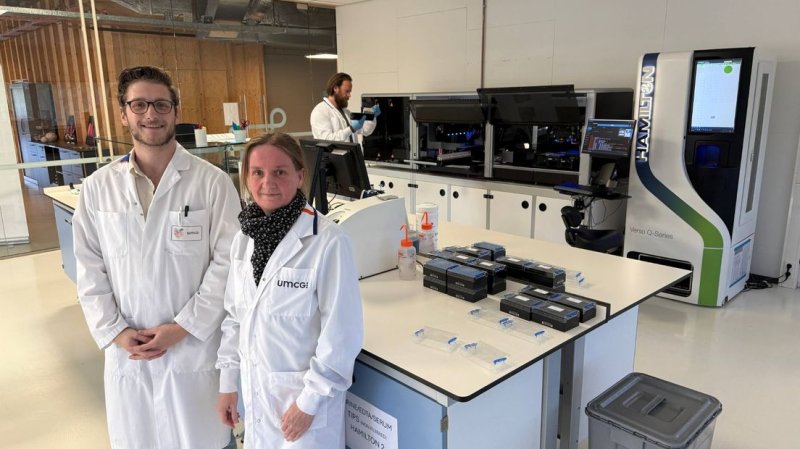
The large-scale Lifelines population study is inviting new participants for the first time in twenty years. The study is seeking around 16,000 relatives of existing participants. This expansion has been made possible by a grant from the National Programma Groningen (NPG).
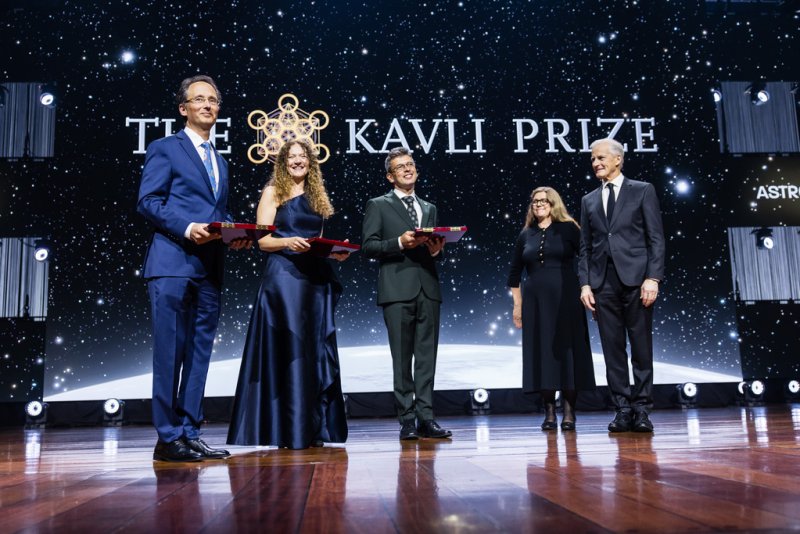
The 2026 Kavli Prize was awarded last week. Alongside the Nobel Prize, the Kavli Prize is regarded as one of the highest honours in science and is awarded every two years by the Norwegian Academy of Science and Letters.
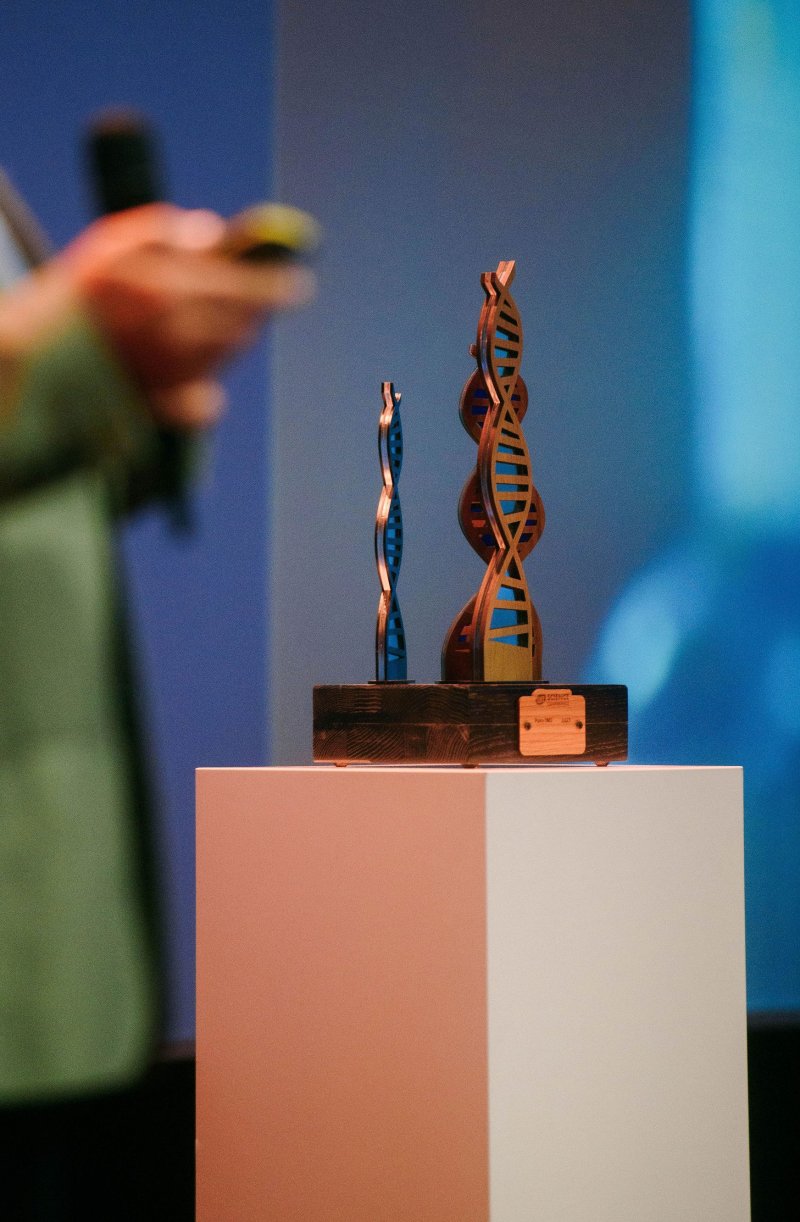
Who is developing the most impactful innovation in Life Sciences & Health in the Northern Netherlands? Five companies are in the running for the LIFE Science Innovation Award 2026: Flux Robotics, Limosa Immunodiagnostics, SPCTR, MimeCure and GlycanScan International. The nominees will present their innovations on Tuesday 22 September during the fifth edition of the LIFE Science Conference in Groningen. An independent jury will select the winner, who will receive a €10,000 cash prize.