On Wednesday 12 August, a spectacular solar eclipse will be visible over the northern Netherlands. The moon will then pass largely in front of the sun, causing almost 90 per cent of the sunlight to disappear temporarily.
Whilst visitors at various locations across the northern Netherlands will be able to view the eclipse through special eclipse glasses, researchers from the University of Groningen will simultaneously be monitoring its impact on nature. Using smart monitoring devices, they will observe how birds react to the temporary darkness and whether nature actually ‘comes to a standstill’.
The next solar eclipse of this magnitude in the Netherlands won’t occur for decades. So don’t miss this unique opportunity!
Would you like to learn more about the observation sites? Contact the University of Groningen.
Source: University of Groningen
Photo: University of Groningen


Ruim 200 professionals uit de Life Sciences & Health-sector kwamen op dinsdag 22 september samen tijdens de vijfde LIFE Science Conference in Forum Groningen.
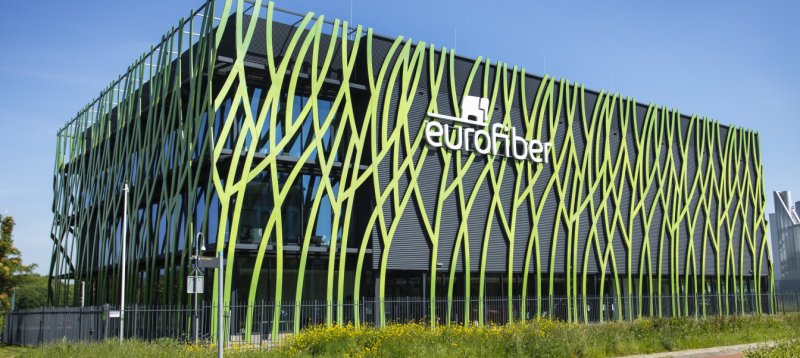
The announcement of the location on 21 September 2026 marks another step in the development of the Dutch AI factory. In addition to the AI supercomputer, the facility includes an expertise centre in the former Niemeyer factory, where knowledge, expertise and AI applications come together. The combination of knowledge, talent, entrepreneurship and advanced digital infrastructure further strengthens Groningen’s position as a hub for innovation. During her visit to Groningen, State Secretary for Digital Economy and Sovereignty Willemijn Aerdts also highlighted the importance of the new infrastructure. In her LinkedIn post, she emphasises access to knowledge, computing power and space as essential for developing and scaling AI applications in the Netherlands. Read more details in the article below by Richold Brandsma, originally published in Dagblad van het Noorden.AI factory supercomputer to be located at Zernike Campus in Groningen The supercomputer of the AI factory in Groningen will be located at Zernike Campus, near Eurofiber’s data centre. ICT cooperative SURF announced this on Monday afternoon during a visit to Groningen by State Secretary Willemijn Aerdts (Economic Affairs). The computer is expected to be operational by early 2028.EU seeks to reduce dependence on China and US To provide a counterweight to China and the US in particular, Europe is building its own AI factories. In addition to the Netherlands, these are being established in countries including Germany, France, Finland, Greece and Poland. An AI factory is already operational in Luxembourg. The factories are intended to increase Europe’s independence from major technology companies while strengthening its competitive position. Businesses, governments, researchers and educational institutions in the Netherlands will be able to use the enormous computing power provided by the supercomputer at Zernike Campus. They will have the opportunity to develop and apply AI models. The hope and expectation is that the Groningen supercomputer will contribute to economic growth.Computer’s residual heat to be used by WarmteStad According to SURF, the computer at Zernike Campus has already been incorporated into the electricity grid. The large amount of energy required by the computer is therefore not expected to lead to additional grid congestion. Its residual heat will be reused by municipal heating company WarmteStad, which currently supplies heat to more than 9,000 households. In addition to the computer at Zernike Campus, the AI factory includes an expertise centre located in the former Niemeyer factory in Groningen. The expertise centre is already supporting projects that make use of computing capacity at European AI factories. The AI factory is funded by the European Union, the Dutch government and the northern Netherlands region through the Nij Begun programme.
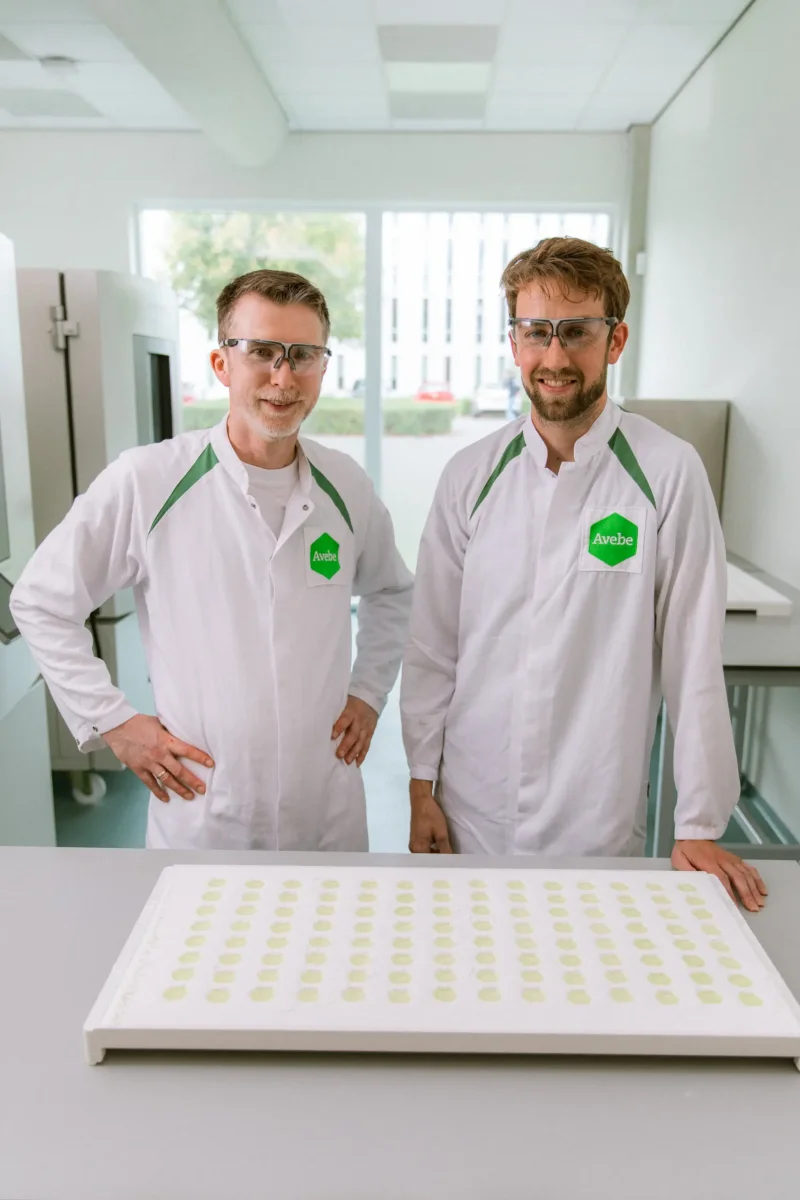
Royal Avebe won an international innovation award at the 2026 World Confectionery Awards. The Groningen-based cooperative received the award for PerfectaGEL®, an innovative potato starch that reduces the drying time of vegan gummies from a maximum of 72 hours to just 3 hours.