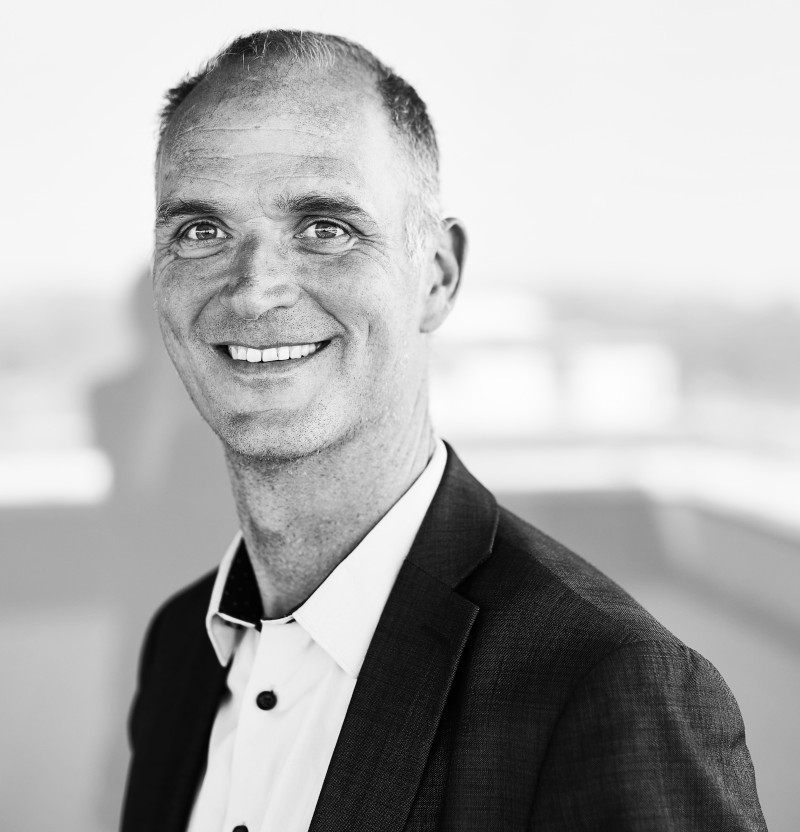
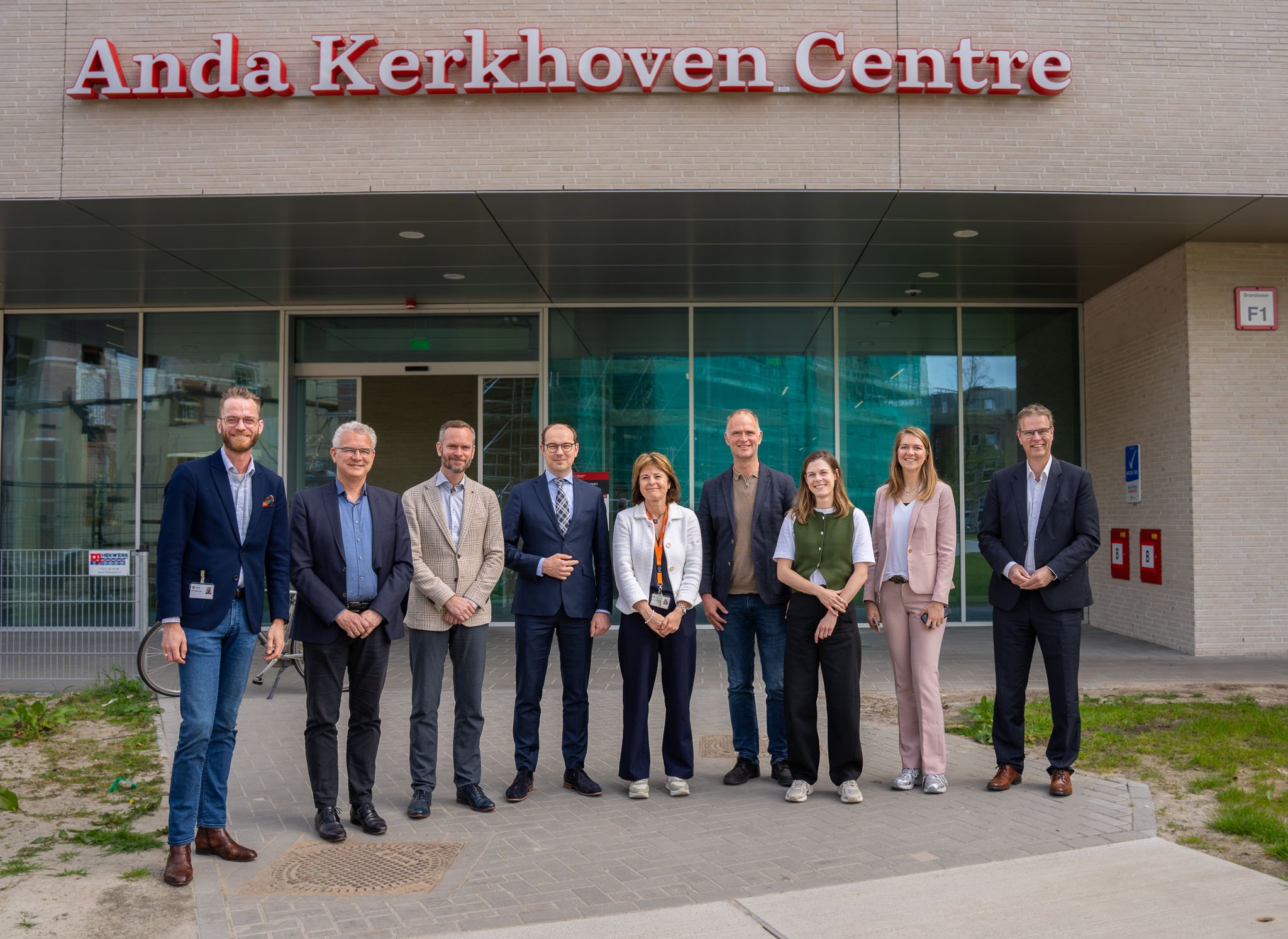
Last Friday, we welcomed Provincial Executive Member Erik Jan Bennema to Campus Groningen for a working visit rich in substance and future prospects. With a broad portfolio - covering the economy, mobility, and internationalization - his work directly addresses the very essence of a campus: a catalyst for regional economic growth.
During the visit, we outlined how Campus Groningen’s two locations (Zernike Campus and Healthy Ageing Campus) function as a single ecosystem in which more than 70,000 people - students, researchers, entrepreneurs, and professionals - work together toward a greener, more sustainable, and healthier world. Not only at the regional level, but also at the national and international levels.
Edward Van Der Meer, director of Campus Groningen, elaborated on the core of our approach: how we create an environment in which innovation can emerge and grow more quickly.
Paulina Snijders then explained how the UMCG serves as a regional driving force for healthcare and innovation. Among other things, she emphasized the importance of in-person interactions on campus and outlined their development agenda, which includes sustainable infrastructure such as thermal energy storage.
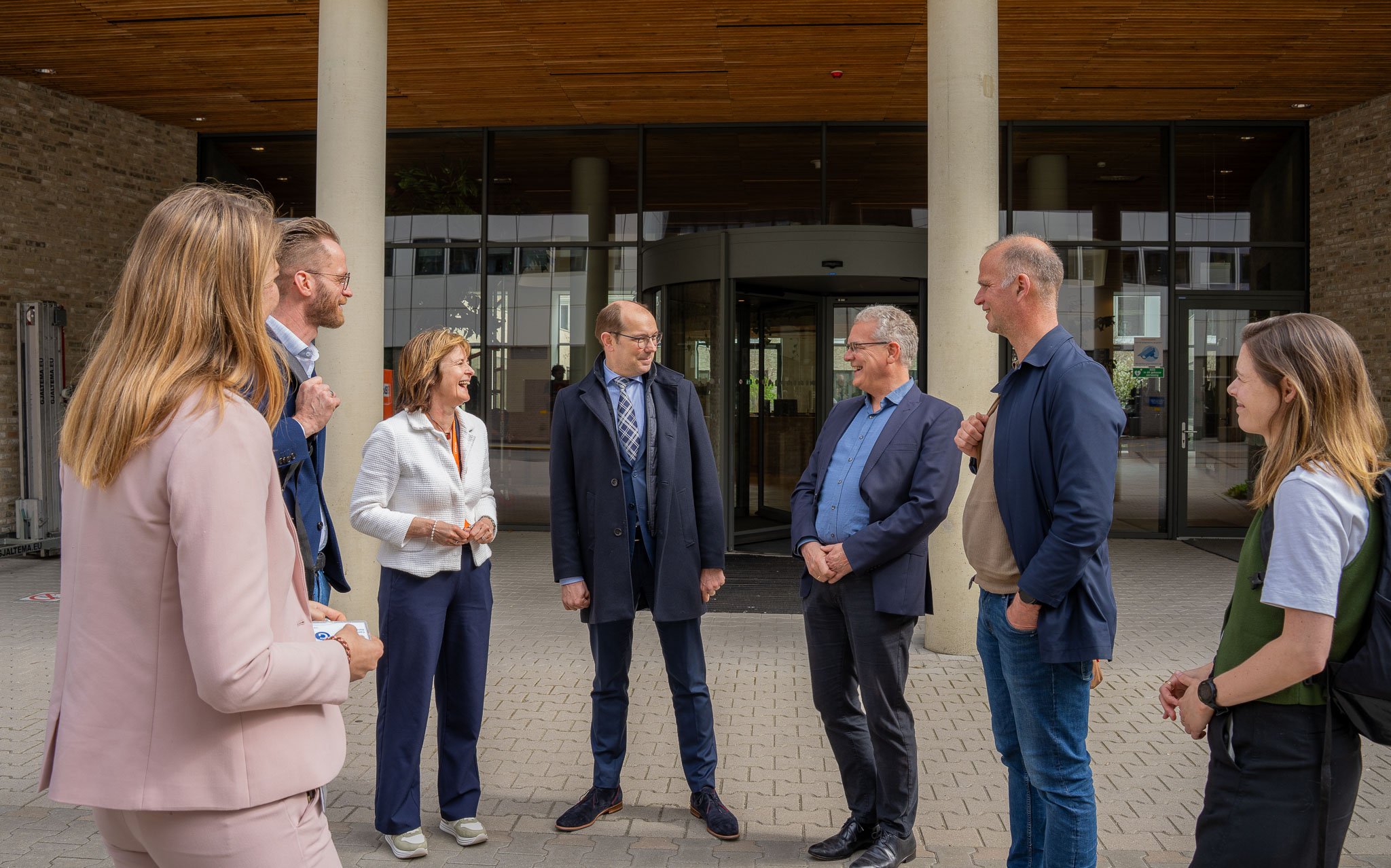
Johan Knijp of DNV shared his vision on the energy transition: balancing long-term ambitions with today’s reality. Not pessimistic, not naively optimistic, but—as he puts it—realistically optimistic. He highlighted inspiring projects and initiatives from the region that contribute to progress every day.
Finally, Bart Scheerder took us through the rapid rise of AI. Using examples from the UMCG, he demonstrated how the organization maintains control over data, ensures security, and is simultaneously becoming a leader in healthcare innovation. The arrival of the AI factory in Groningen marks a significant milestone in this regard.
We concluded with a walk across the northern tip of the Healthy Ageing Campus—an area in full development. A preview of the future as outlined in the Healthy Ageing Campus’s area vision.
.
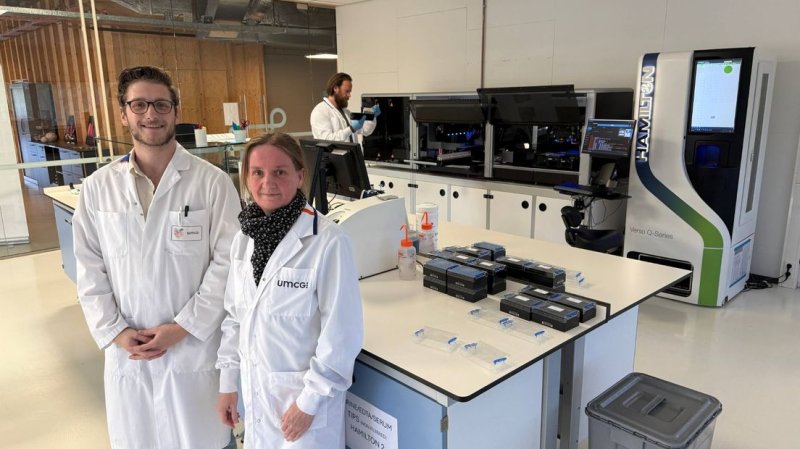
The large-scale Lifelines population study is inviting new participants for the first time in twenty years. The study is seeking around 16,000 relatives of existing participants. This expansion has been made possible by a grant from the National Programma Groningen (NPG).
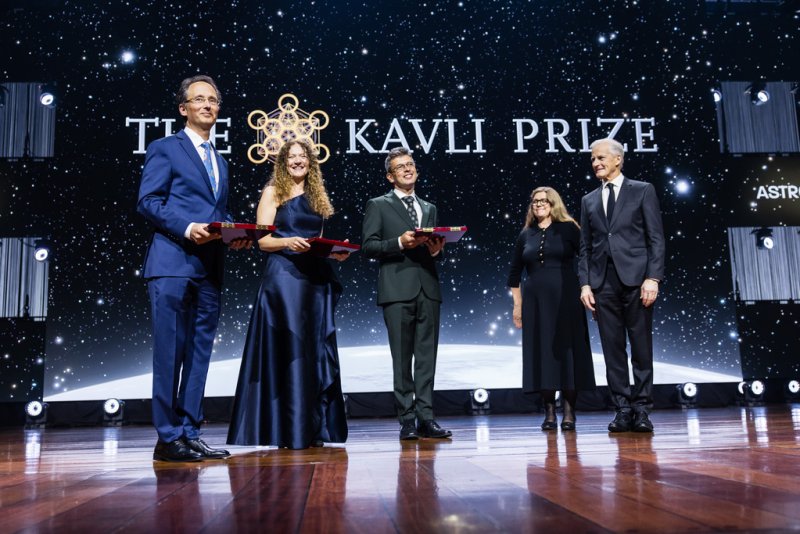
The 2026 Kavli Prize was awarded last week. Alongside the Nobel Prize, the Kavli Prize is regarded as one of the highest honours in science and is awarded every two years by the Norwegian Academy of Science and Letters.
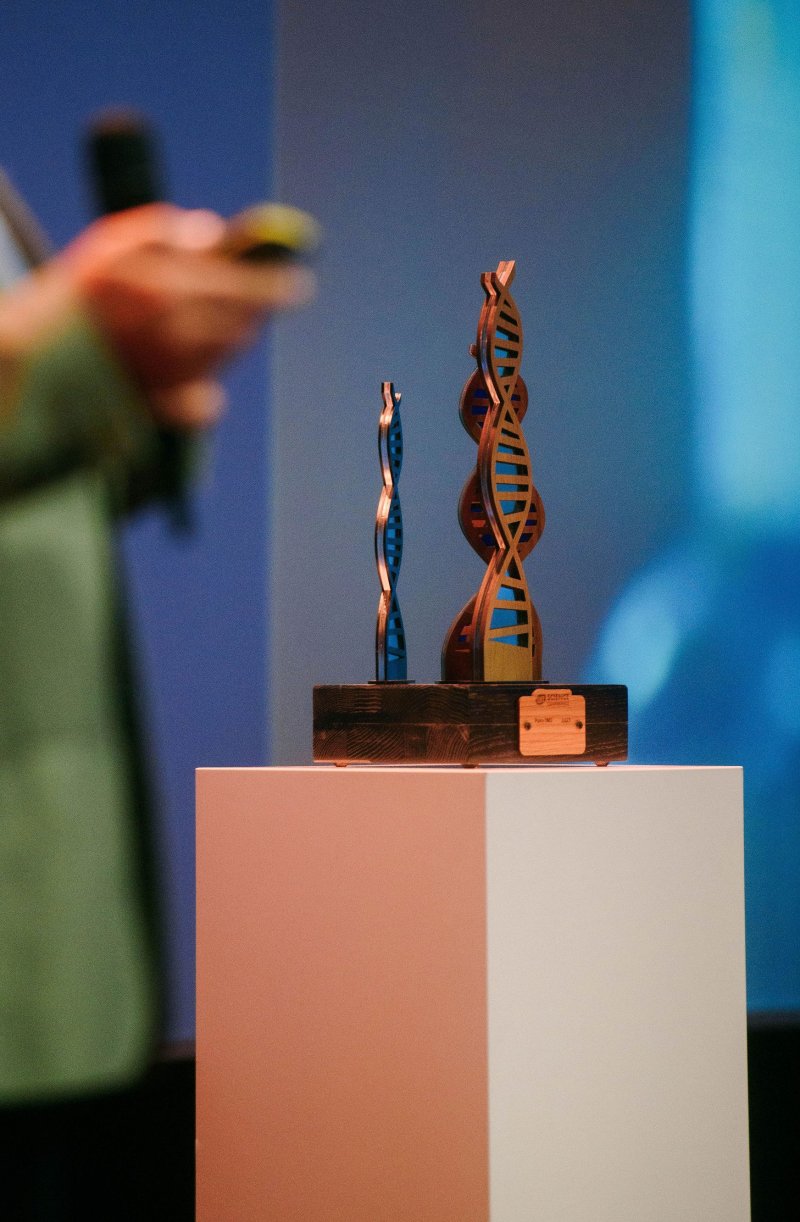
Who is developing the most impactful innovation in Life Sciences & Health in the Northern Netherlands? Five companies are in the running for the LIFE Science Innovation Award 2026: Flux Robotics, Limosa Immunodiagnostics, SPCTR, MimeCure and GlycanScan International. The nominees will present their innovations on Tuesday 22 September during the fifth edition of the LIFE Science Conference in Groningen. An independent jury will select the winner, who will receive a €10,000 cash prize.